If you are buying in Sydney from the United States, you may be looking for a sealed bid process, where everyone submits one confidential number and the highest wins. Most Sydney homes do not sell that way. They sell at public auction or by private treaty, and the closest thing to a sealed bid is either a formally advertised tender or an agent’s request for “best and final” offers. The two look similar and behave very differently, and the difference can cost you your deposit protections.
This guide explains what each method is, what the NSW rules say, how to structure an offer that wins on more than price, and where a buyers agent earns their fee.
TL;DR
- “Sealed bid” is not a standard legal process for Sydney homes. A tender is a real sale method, but a “best and final” request is a private negotiation tactic with no formal rules on how offers are handled.
- In a best and final round, the seller can prefer a slightly lower offer with cleaner terms: shorter settlement, fewer special conditions, a stronger deposit.
- Never waive the 5 business day cooling-off period to look more attractive until your building, pest and legal checks are finished.
- Sydney’s auction clearance rate was 52% in the week ending 17 October 2026, so buyers have more breathing room than in boom years.
- A buyers agent does the due diligence before you bid and structures the offer, which matters most when you are bidding from overseas.
Table of Contents
- What “sealed bid” actually means in Sydney
- Why a best and final request is not an auction
- The cooling-off trap
- Is the price guide even reliable?
- The 2026 market is on your side, a little
- How to respond to a best and final request
- Bidding from the US: practical hurdles
- Our perspective
- How we can help
- FAQ
- Sources
What “sealed bid” actually means in Sydney
In the US, the phrase usually points to government sales or foreclosure auctions where bids arrive in envelopes or online portals. Sydney residential sales run on three main methods: auction, private treaty and tender. A selling-side agency’s explanation of the three methods describes a tender as a sale where buyers submit bids that are sealed, so no bidder sees another’s number, and the seller can accept the best fit or use a bid as the starting point for negotiation.
That is the nearest equivalent to what you are imagining, and it is uncommon. Industry commentary suggests agents and vendors generally prefer the transparency and public pressure of auctions. When a home is sold through “best and final” offers, it is often because the vendor or agent wants to avoid the risk of a public pass-in at auction, which can dent perceived value.
So you will meet the idea in three forms:
| Method | Is it a formal process? | Who sees the bids? | Your protections |
|---|---|---|---|
| Public auction | Yes, with rules set out in the NSW Government auction guidance | Everyone in the room or online | No cooling-off period on auction purchase; you exchange on the day |
| Tender | Yes, a defined sale method chosen by the vendor | Only the agent and vendor | Depends on the terms of the tender and contract; read them before bidding |
| “Best and final” request | No, a private treaty tactic | Only the agent and vendor | Standard private treaty rights, unless you waive them |
The last row is the one that catches buyers out. A seller running a best and final round is under no legal obligation to tell you how many offers exist or to treat all buyers equally. Submitting a “sealed” number does not guarantee you are the only one considered, and the agent may use your figure to coax more from someone else.
Why a best and final request is not an auction
Buyers often assume the highest price wins. In a private negotiation, it does not have to.
A vendor chooses on a mix of price and certainty. According to the NSW Government’s guidance on contracts and deposits, the contract is where the detail lives, and solicitors and conveyancers commonly point to the same tie-breakers:
- Settlement period. A vendor who has already bought elsewhere may want 30 days. One who needs time may prefer 90.
- Deposit size and timing. A larger deposit paid on exchange signals commitment.
- Special conditions. Every change to the draft contract is friction. A “clean” offer needs minimal amendments.
- Finance and inspection clauses. The fewer you ask for, the stronger the offer looks, which is exactly why they are dangerous to drop carelessly.
We cover this logic in more detail in our guide to winning Sydney multiple offers on terms rather than price, and our piece on becoming contract ready for pre-auction offers explains how to have your paperwork reviewed before you ever see a property you love.
A worked example
Say a house in the Inner West is listed with a guide of A$1.6 million and the agent calls on the last day: “Best and final by 5 pm.” You have two options.
- Offer A: A$1.68 million, 6 week settlement, 0.25% deposit, subject to building report and finance.
- Offer B: A$1.66 million, 42 day settlement, 10% deposit on exchange, no special conditions, with the building and pest checks already completed.
The vendor may well prefer B. It is A$20,000 lower on paper but nearly risk free. This is illustrative arithmetic only, not a result from a real client, but it shows why the presentation of the offer can matter as much as the number.
Note that a 10% deposit on exchange is the typical expectation in NSW, but it is not a rule for every contract. Confirm the figure with your solicitor or conveyancer before you commit funds.
The cooling-off trap
In NSW, buyers of residential property under private treaty normally get a 5 business day cooling-off period after exchange. The NSW Government explains how cooling-off works in its contracts and deposits guidance, and it is one of the few safety valves a buyer has.
Under pressure, buyers are sometimes asked to waive it, usually through a section 66W certificate signed by their solicitor, so the offer looks stronger. The cost is steep. Once you waive, you lose the right to walk away without forfeiting your deposit, even if the building or pest report later turns up serious problems.
If you are considering a waiver:
- Complete the building and pest inspection before you bid. Our article on pre-bid building inspections for US buyers covers the four main risks.
- Have a NSW solicitor or conveyancer read the full contract and strata or title documents, and issue the 66W certificate only if they are comfortable.
- Confirm your finance is unconditional, or that you have a written approval you trust.
- Set a walk-away number in advance and keep to it.
The due diligence checklist for protecting your 5 day cooling-off lays out each check in order. For legal advice about your particular contract, speak to a NSW solicitor or licensed conveyancer, not an agent.
Is the price guide even reliable?
Before you decide what to offer, you need an honest view of value. NSW law helps here. Under the underquoting rules, an agent cannot advertise or suggest a price lower than the seller’s estimated selling price in the agent’s written agreement with the vendor. The NSW Fair Trading underquoting guide states this, and the rule applies to the Property, Stock and Business Agents Act 2002.
If you believe a price guide was misleading, you can lodge a complaint with NSW Fair Trading. That does not replace your own research: comparable sales, an independent appraisal and a look at how long similar homes took to sell. Our page on what the underquoting changes mean for buyers goes into detail.
The 2026 market is on your side, a little
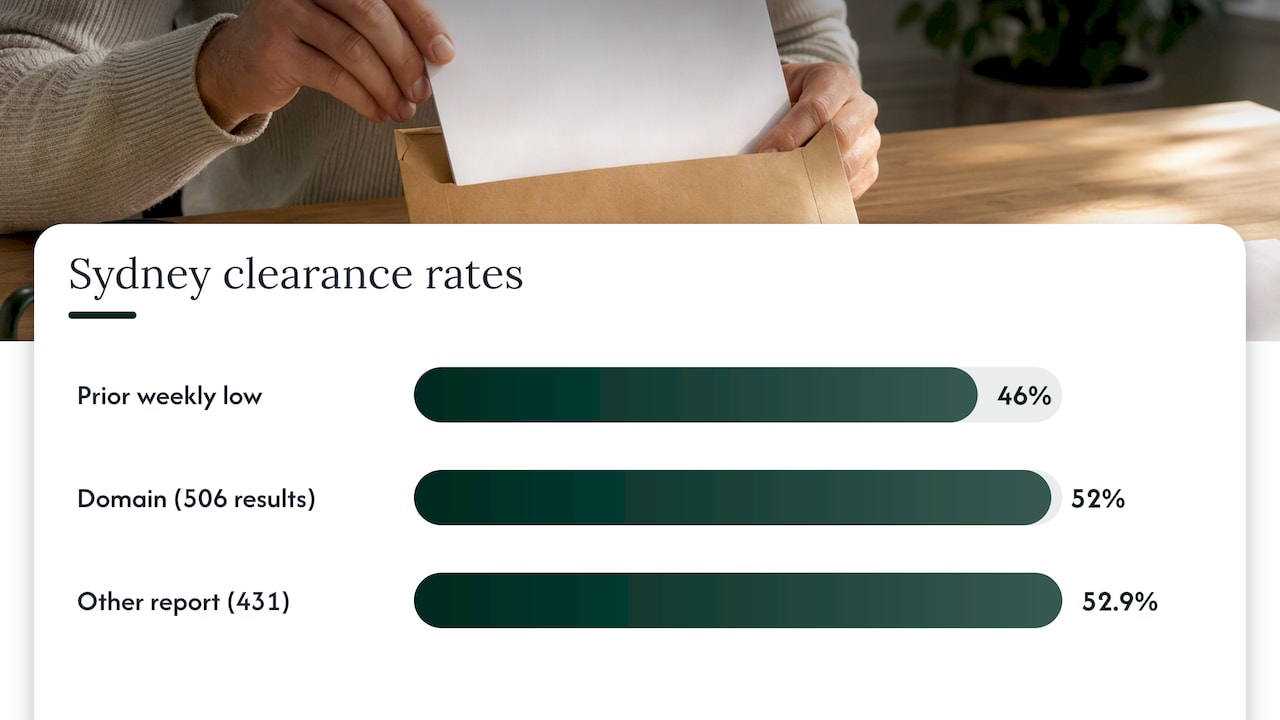
The context for any bid matters. In the week ending 17 October 2026, Domain reported a preliminary Sydney clearance rate of 52% from 506 reported results, after weeks where the figure dipped as low as 46%. Another report put the preliminary figure at 52.9% on 431 results, with 228 selling under the hammer. The figures differ slightly because they are preliminary and drawn from different samples.
On values, CoreLogic described Sydney and Melbourne as flattening while Perth surged. For a buyer, a market at this temperature usually means less fear of missing out and more time for checks. It also means a “best and final” email is more likely a nudge than a true last chance. Do not let it push you into skipping building and pest reports, which are hard to reverse after exchange.
If you want to understand why these numbers matter, see why clearance rates matter for Sydney buyers.
How to respond to a best and final request
Here is the sequence we would follow.
- Ask what the process actually is. Is this a tender, a pre-auction deadline or an informal round? Ask the agent in writing how offers will be handled and whether the vendor has said they will accept any offer before auction.
- Check the contract first. If you have not seen a copy, ask for it. A property cannot be advertised for sale without a contract being prepared, as the NSW Government’s steps to selling a property explains, so a draft should exist.
- Decide your real ceiling. Base it on comparable sales and your own budget, not on the agent’s urgency.
- Build the offer around terms. Match the vendor’s preferred settlement, bring a solid deposit, and keep special conditions to what you truly need.
- Submit once, in writing, with a sensible expiry. Do not drip-feed increases.
- Be ready to walk. If another buyer wins on a higher price, that is information, not failure.
If the property moves to auction instead, the rules change. You register, bid in public and exchange contracts on the day with no cooling-off period. The NSW Government’s bidder’s guide explains what identification you must bring to register. We also publish a guide on how to bid with confidence at a Sydney auction and one on auction bidding increments.
Bidding from the US: practical hurdles
Overseas buyers face three extra problems. Time zones make deadline calls hard, you cannot inspect in person at short notice, and you need a NSW solicitor or conveyancer who can act quickly. Foreign buyers also face separate rules and approvals on purchasing residential property in Australia, so seek current advice on those before you make any offer. Our overview, buying Sydney property from the US, covers the main planning points.
Our perspective
We act only for buyers, never sellers, so we see “best and final” requests from the buyer’s side of the table every week. Our view is simple: the phrase is a pressure tool, and the way to defuse pressure is preparation.
We do the work that makes a quick decision safe. That means an independent appraisal of what the property is worth, inspections on any day of the week rather than only at open homes, and building, pest and contract checks lined up before an offer goes in. When a vendor asks for a final number, our buyer already knows their ceiling and what terms they can give.
We also push back on the idea that the largest number wins. In our experience, a well-structured offer with a credible settlement date and no unnecessary conditions can beat a bigger but messier one. And we are cautious about waiving cooling-off. If a buyer is going to give up that protection, it should be because the diligence is done, not because an agent is on the phone.
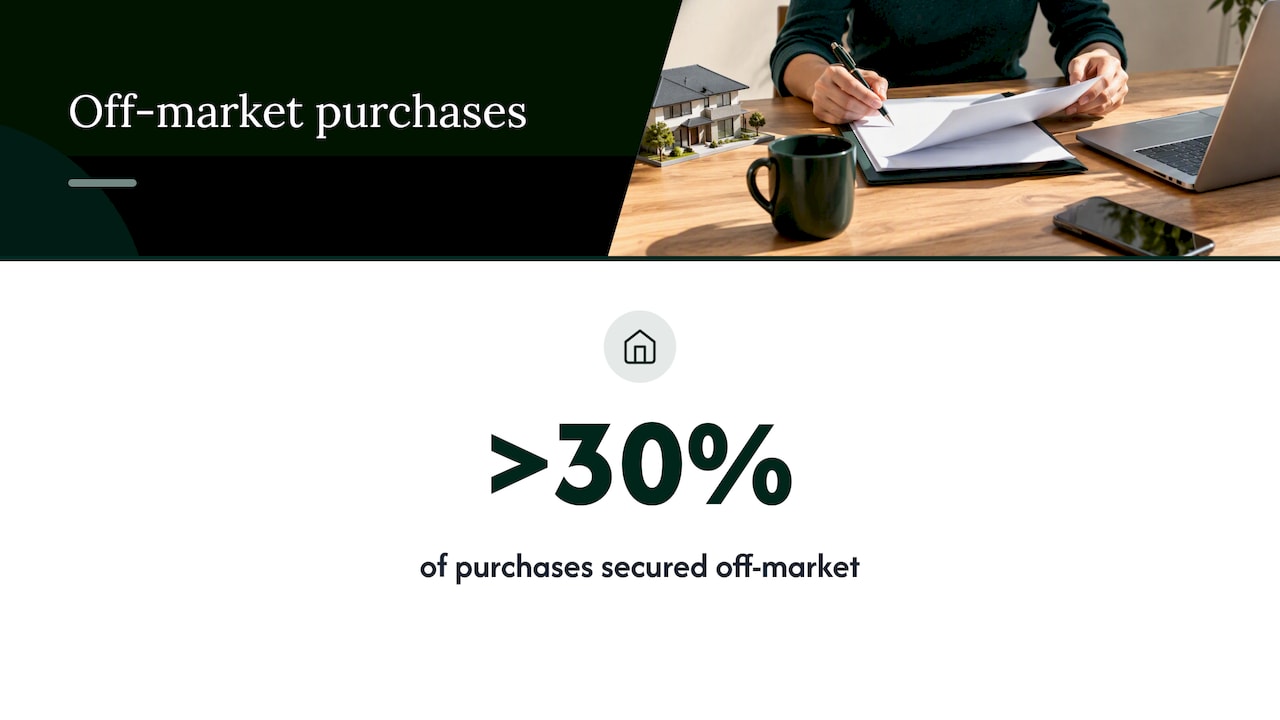
Some properties never reach this stage. Over 30% of our purchases have been secured off-market, which means no deadline, no rival bidders and a negotiation held on our timetable. Our guide to buyers agent access to off-market properties explains how that works.
— Kristan
How we can help
Sydney Property Buyers is a licensed buyers agency covering the Inner West, Eastern Suburbs, Lower North Shore and Eastern Beaches. If you have already found a property and a vendor is asking for a final offer, our Negotiation Only service puts a licensed agent between you and the selling agent. If you want help from strategy to settlement, including auction bidding, our Full Service and Auction Bidding options cover the whole purchase. You can also review recent purchases we have secured, or start from our home page and call 1800 676 177.
NSW Licence 20456819. Fees are not published online; ask us for the structure when you enquire.
FAQ
Are sealed bids common for Sydney houses and apartments?
No. Most homes sell at auction or by private treaty. Tenders exist as a formal method but are used less often. If an agent asks for “best and final” offers, treat it as a private negotiation rather than a formal sealed bid process.
Can I see how many other offers there are?
Not as of right. A private seller has no legal duty to disclose the number of offers or to treat buyers equally. You can ask the agent for the process in writing, but the answer is up to them.
Is it safe to waive the cooling-off period to win?
Only if all your checks are done. A section 66W certificate removes your right to withdraw without losing your deposit, even if a building or pest problem emerges later. Have a NSW solicitor or conveyancer review the contract before you sign, and finish inspections first.
Does a higher price always win a best and final round?
No. Vendors may prefer a slightly lower offer with a shorter settlement, a bigger deposit and fewer special conditions. Structure matters as much as the figure.
Is shill bidding illegal in Australia?
Bidding by or for the vendor to inflate the price is restricted at NSW auctions, and the bidder’s guide describes the rules for registered bidders. Read the NSW bidder’s guide before you register, and report concerns to NSW Fair Trading.
Sources
- Buying property at an auction, NSW Government
- Contracts and deposits when buying property in NSW, NSW Government
- Steps to selling a property, NSW Government
- Bidder’s guide, NSW Government
- Protect yourself from underquoting, NSW Fair Trading
- Real Estate Auction Results, Domain
- Auction clearance rate dips below 50%, Capital Brief
- Perth sprints, Brisbane and Adelaide climb, CoreLogic
- Selling Methods, Perpetual Real Estate NSW
Recommended
- Sydney property auction bidding: how to bid with confidence
- How to make an offer on a Sydney property
- Win Sydney Property Negotiations, Advice From an Award Winning Agent
- How a buyers agent handles multiple offers in Sydney