Yes, book a pre-auction building inspection in Sydney before you bid, and add a timber and pest check at the same visit. Auction contract terms can leave limited scope to withdraw or rely on a finance condition. Check the contract and get legal advice before bidding. The inspection fee is cheap protection against defects you would otherwise inherit with the property.
TL;DR:
- A standard report assesses visible structure and timber pests but excludes invasive testing, inaccessible areas, pools, septic systems, appliances, and many building services.
- Book as soon as a property makes your shortlist; a private appointment gives inspectors better access than a crowded open home.
- Strata buyers need a common property report and should review minutes, reserve funds, and planned levies; a clean unit can still face major costs.
- Rank major defects, get repair estimates before auction, and subtract costs plus a contingency from your clean property ceiling; unresolved risks may warrant walking away.
Table of Contents
- What does a pre-auction building inspection include?
- What are the risks of skipping an inspection?
- When and how do you book an inspection before auction day?
- How much does a Sydney building inspection cost?
- When do strata and unit purchases need a special-purpose report?
- How do you turn the report into a maximum bid?
- An editorial view: the inspection is a pricing tool, not a pass/fail test
- FAQ
What does a pre-auction building inspection include?
A pre-auction inspection is a visual assessment of a property’s condition, carried out by a licensed building inspector before you commit to bid. It differs from a general pre-purchase inspection mainly in timing: you cannot wait for a contract to be signed, so the work happens in the days or weeks before auction.
A standard combined report usually covers:
- The visible structure, including walls, ceilings, floors and signs of movement or cracking
- The roof space, where it can be safely accessed
- The subfloor, where there is crawl space or an accessible cavity
- Interior rooms, including wet areas, windows, doors and fixtures
- The immediate exterior, such as cladding, gutters, drainage, decks and retaining walls
- A timber pest check for termite activity and damage
Equally important is what the report leaves out. Inspectors do not normally carry out invasive testing, such as opening walls. They cannot assess areas that are locked, blocked or unsafe to reach. Septic systems, pools, appliances and many building services usually sit outside a standard scope. A good report lists these exclusions plainly, and you should read that section first, because every excluded area is a risk you still carry into the auction.
What are the risks of skipping an inspection?
Because an unconditional auction contract cannot be made subject to a building or pest report, you inherit whatever the property hides. The only protection is knowing before you bid. Here is how the exposure typically plays out:
- Structural problems. Cracked footings, sagging floors or poorly supported alterations can lead to repair bills that dwarf the cost of an inspection.
- Termite damage. Timber pest activity is often concealed behind walls and under floors, and damage can be extensive before it becomes visible.
- Hidden water damage. Leaking bathrooms, failed waterproofing and damp subfloors can mean ripping out and rebuilding wet areas.
- Non-compliant alterations. Unapproved extensions or conversions can create legal and insurance headaches, as well as costs to rectify.
Check NSW Fair Trading’s auction guidance and the contract for the rules that apply to your purchase, including deposit arrangements.
Check the cooling-off rules. Understand the contract before bidding, and arrange any inspections in advance.
An inspection also changes how you bid. A clean report can justify bidding with more confidence. A report listing costly defects lets you lower your ceiling, or walk away without regret.
When and how do you book an inspection before auction day?
Start early. Inspectors may need advance notice, and availability can be limited during a busy auction season. Begin the moment a property makes your shortlist, ideally before auction week, so the report arrives while you can still act on it.
Practical steps to follow:
- Contact two or three licensed inspectors as soon as you have a target property
- Ask the selling agent for access, and expect to be offered open home slots first
- Request a private inspection if the open home is too crowded for the inspector to work properly
- Confirm the report format and delivery time before you pay
- If you are overseas, ask for a written summary plus a phone or video briefing
Open homes are convenient but rushed. An inspector working among dozens of visitors cannot access the roof space or subfloor as thoroughly as in a private appointment, so push for the private slot where you can. If time is tight, ask about an express summary of major findings, a verbal brief before auction day, or a staged approach where the highest-risk areas are checked first and the full written report follows.
Pro Tip: Book the inspection before you decide how much you want the property. Buyers who inspect after falling in love tend to explain defects away rather than price them in.
If you are buying from the United States, our guide on buying Sydney property sight unseen covers how to coordinate all of this remotely.
How much does a Sydney building inspection cost?
Pricing varies with property size, age and access, and quotes change over time, so treat any figure as a prompt to compare quotes rather than a fixed rate. No sourced cost data is available to us here, so we describe what drives the price rather than quote numbers. A combined building and timber pest inspection for a unit or small house sits at the lower end, while a large, older or multi-level home costs more because there is more to inspect and more that can go wrong.
Add-ons that raise the bill:
- Special-purpose strata reports on common property
- A structural engineer’s follow-up where the inspector flags movement or cracking
- Invasive or specialist testing, where the vendor permits it
- Separate septic or pool inspections
- Specialist checks on major systems, such as air conditioning. For reference, this HVAC inspection guide from a US contractor explains what such a check involves, and the logic carries across to Sydney buyers
NSW Fair Trading urges buyers to organise inspections before bidding. Its auction guidance stresses doing your research ahead of the day, because the contract is binding once the auction closes.
A thorough inspection from an experienced inspector often costs more than a bargain-priced one, and that difference is usually small beside what a missed defect costs to repair. Rather than choosing on price alone, compare what each quote includes: report depth, photographs, exclusions and turnaround.
When do strata and unit purchases need a special-purpose report?
A standard report on a strata lot generally covers only the interior of your unit and its immediate exterior. The shared parts of the building, which is where the most expensive problems tend to sit, are not part of that scope.
Common-property issues a standard report can miss include:
- Waterproofing failures in balconies, podiums and rooftops
- Communal roof defects and leaking gutters
- Building envelope problems, such as cladding or façade defects
- Structural cracking in shared walls and car parks
- Rising damp or drainage faults affecting multiple lots
To get meaningful coverage, request a special-purpose property report that examines the common areas, and consider a building consultant or strata engineer if the building is older or shows visible distress. Pair that with a review of the strata records: minutes, sinking fund balance and any planned special levies. Our due diligence checklist for Sydney buyers walks through those documents. A building with a large repair backlog can become a levy burden even if your own lot is spotless.
How do you turn the report into a maximum bid?
A report only helps if it changes a decision. Work through it in this order:
- Sort findings by severity. Structural movement, active termites, water ingress and electrical hazards come first. Cosmetic wear and minor maintenance can wait.
- Get a cost for each major item. Ask the inspector for a rough indication, or obtain a quote from a tradesperson for anything significant.
- Subtract the repair total from your top price. If you were willing to pay a certain amount for a clean property, your ceiling for this one is lower by the cost of the work, plus a margin for surprises.
- Set a firm walk-away number before auction day. Write it down and treat it as final.
- Decide whether to pause. If findings need a specialist opinion, you may need to wait for it before bidding. That can mean sitting out this auction.
Pro Tip: Auctions leave no room to pause mid-bid, so get specialist quotes before auction day. If a quote cannot arrive in time, lower your ceiling to cover the uncertainty.
Once your ceiling is set, our guides on bidding with confidence at Sydney auctions and the auction day checklist cover the tactics that follow.
An editorial view: the inspection is a pricing tool, not a pass/fail test
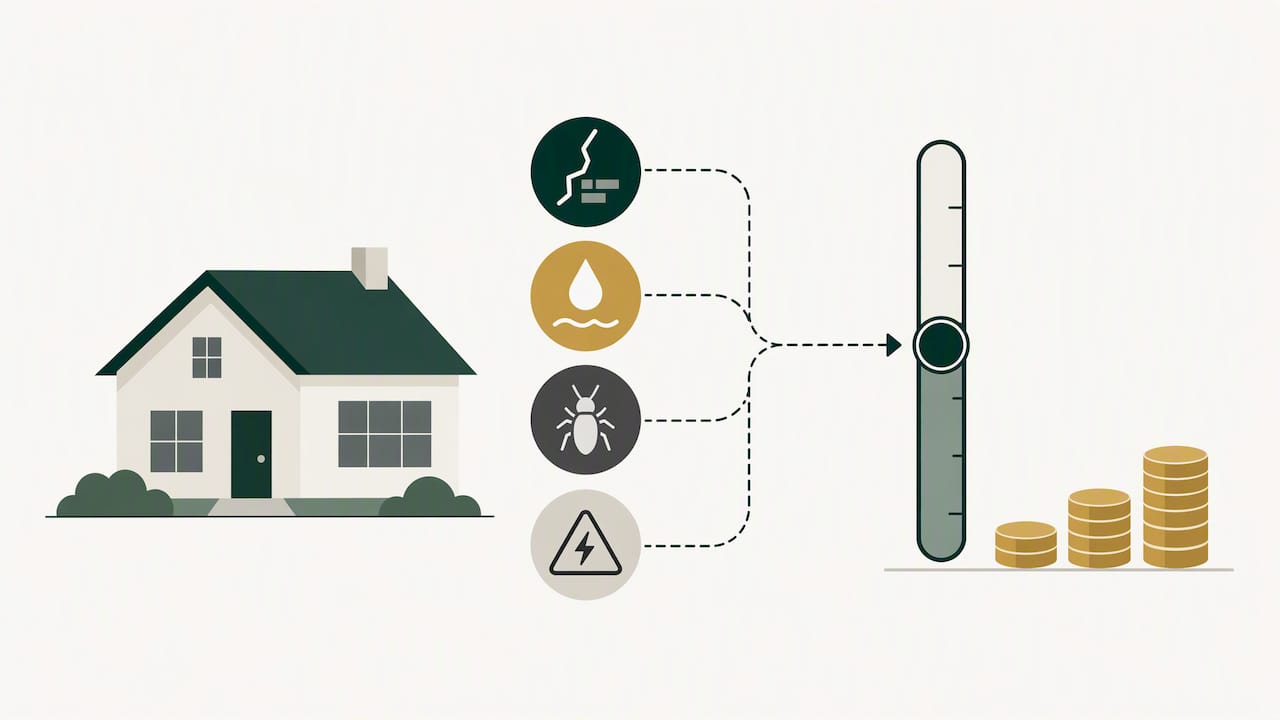
Many overseas buyers treat the inspection as a gate: pass and bid, fail and leave. I think that undersells it. Almost every older Sydney property has something wrong with it, so the useful question is what the defects cost and whether your price already reflects them.
Buying sight unseen is more manageable than it sounds when you rely on local experts and fast-turnaround reports instead of trying to judge a building over video. A written summary, a short call with the inspector and a firm ceiling will do more for you than hours of photographs. Our team arranges inspections throughout the week, independent of open home schedules, which can help with timing.
— Kristan
FAQ
Is a building inspection worth it before a Sydney auction?
An inspection can help you understand a property’s condition before bidding. Check the contract and get legal advice about your options before you commit. The inspection fee is small compared with the repair costs it can help you avoid, and it gives you a defensible maximum bid.
How long does a pre-auction building inspection take to arrange?
Inspectors may need advance notice, so book as early as possible. If time is short, ask about an express summary or a verbal briefing ahead of the written report.
Does a standard report cover the common areas of a strata building?
Generally no. A standard report covers the interior of your lot and its immediate exterior. To assess shared areas such as roofs, balconies and the building envelope, you need to request a special-purpose property report.
What should I do if the report finds major defects?
Rank the findings by severity, get cost estimates for the serious items and lower your maximum bid by that amount plus a buffer. If the defects are too uncertain to price, walking away is a sound result. When you want expert help turning findings into a bid, see our auction bidding and full purchase services.
Recommended
- US Buyers: Buy Sydney Property Sight Unseen Without Getting Burned
- Off the plan risks every Sydney buyer should weigh up
- Protect Your 5 Day Cooling Off: Sydney Due Diligence Checklist
- Sydney property auction bidding: how to bid with confidence