The strategy that works for US investors buying in Sydney is straightforward: target capital growth suburbs with proven rental demand, lock in finance pre-approval before you shortlist anything, and engage a buyer’s agent who can access off market stock and negotiate on your behalf while you are thousands of miles away. This combination balances upside with the practical limits of buying remotely.
TL;DR:
- Off market properties often provide better prices and more options for remote investors, as they move through local agent networks rather than public listings.
- Lenders now include higher interest rate buffers and discount rental income when assessing borrowing capacity, which can significantly limit available property options.
- A long-term capital growth strategy with conservative cash flow assumptions generally outperforms yield-focused approaches in Sydney’s tight, high-migration market.
- Thorough due diligence on strata levies, land tax, and potential special levies is essential, as these hidden costs can quickly turn a seemingly cash flow neutral property into a financial drain.
- Engaging a buyer’s agent for off market scouting, negotiation, and remote auction bidding greatly enhances the chances of securing a property below market value while avoiding costly bidding errors.
Table of Contents
- What Sydney’s 2026 property market looks like and why it matters
- The main investment strategies that work in Sydney
- Financing and holding costs you must model before committing
- How to research Sydney suburbs that match your strategy
- Why off market access and buyer representation matter for US investors
- Negotiation and auction tactics for buying in Sydney from overseas
- A 30/60/90 day action plan to move from research to an offer
- What experience in this market actually teaches
- How we help US investors execute this strategy
- FAQ
What Sydney’s 2026 property market looks like and why it matters
Sydney’s housing market has moved through a slower, more selective phase after a sharp run up in prices through the earlier part of this decade. Supply remains tight across most inner and middle ring suburbs, and population growth driven by overseas migration keeps pressure on both the rental market and established housing stock. For a US investor, this matters because the suburbs with the tightest supply tend to be the ones where off market access makes the biggest difference to what you can actually buy.
Higher interest rates have changed how lenders assess investors, and this is the part most overseas buyers underestimate. Serviceability tests now apply a buffer above the actual rate on offer, and lenders often discount the rental income they will count towards your borrowing capacity. That squeeze on borrowing power means fewer properties will stack up on paper even when they look affordable on a listing page.
Three practical implications follow from this market backdrop:
- Long hold, capital growth properties in established suburbs tend to be more forgiving of a softer rental yield than a renovation play, because you are not relying on short term cash flow to make the numbers work.
- Apartments with high strata levies can quietly erode the yield advantage they appear to offer on paper, so levies need to be checked before, not after, you make an offer.
- A renovation or value add strategy only makes sense where you have a reliable local project manager, because managing a renovation from overseas introduces delay and cost risk that outweighs most margin gains.
The practical takeaway: in a market where borrowing power is compressed and stock is tight, a disciplined, growth focused strategy with conservative cash flow assumptions tends to outperform a more aggressive, yield chasing approach for remote investors.
The main investment strategies that work in Sydney
Four broad strategies dominate the Sydney investment landscape, each suited to a different investor profile.
- Buy to let for yield: suits investors who want steady rental income and are comfortable with suburbs further from the centre where yields are stronger but capital growth is typically slower.
- Long hold for capital growth: suits investors with a longer time horizon, usually 7 to 10 years or more, who can tolerate a lower starting yield in exchange for stronger long term appreciation in established, high demand suburbs.
- Renovation or value add: suits investors with local project management support and a higher risk tolerance, since margins depend on construction costs and resale timing in a market that can shift between your purchase and your sale.
- Strata apartment investment: suits investors who want lower maintenance exposure and a lower entry price, provided they accept the ongoing cost and governance risk that comes with strata schemes.
Houses generally offer stronger long term capital growth potential because the land component appreciates, while apartments offer a lower entry point and less personal maintenance responsibility. The tradeoff is that apartments carry strata levies, body corporate decisions you cannot control, and exposure to special levies if the building needs major repairs.
For most US investors without a trusted local renovation team, a renovation or value add project is the riskiest of the four strategies. Sydney’s trades market has limited slack, and construction delays are common, which stretches holding costs and can erode the margin the renovation was meant to create. A long hold capital growth strategy, by contrast, asks less of you operationally. You are not managing contractors or chasing a resale window, and the main task becomes selecting the right suburb and holding through a normal property cycle.
Financing and holding costs you must model before committing
Lenders assessing an investment loan application will usually apply a serviceability buffer above the advertised interest rate, and many discount the rental income you expect to earn, sometimes factoring in strata levies and council rates as fixed outgoings regardless of your actual expenses. Ask your mortgage broker exactly how your chosen lender treats rental income, levies and existing debt, because this varies and can change your borrowing capacity by a meaningful margin.
Holding costs are where many overseas investors get caught out. Three line items deserve particular attention:
- Strata levies: ongoing quarterly levies plus the risk of a special levy if the building’s sinking fund is underfunded for upcoming works.
- Land tax: NSW land tax applies once your land value exceeds A$1,075,000, and overseas investors face this threshold the same way local investors do, so it needs to sit in your annual cash flow model from day one.
- Transfer duty: a one-off cost payable on settlement that needs to be included in your upfront capital requirement, not treated as a rounding error.
A substantial special levy on a building with a poorly funded sinking fund can turn a property that looked cash flow neutral into one that requires a lump sum injection within the first year of ownership. This is exactly why a buyer’s agent checks strata records before you commit, reviewing the sinking fund balance, recent and upcoming works, and any history of special levies.
Before applying for pre approval, gather: your most recent two years of tax returns, evidence of existing debts and assets, a realistic rental estimate for your target property type, and an estimate of strata levies and council rates for the suburbs you are considering. Having these ready shortens the pre approval process considerably and gives you a clearer borrowing ceiling before you start shortlisting properties.
How to research Sydney suburbs that match your strategy
Picking the right suburb starts with a short list of indicators that tell you more than a glossy listing ever will.
- Vacancy rate: a low and stable vacancy rate signals strong rental demand and supports both yield and future capital growth.
- Days on market: shorter selling times usually indicate buyer competition and a tighter supply environment.
- Infrastructure pipeline: new transport links, schools or commercial developments tend to lift demand in the years that follow their announcement, not immediately.
- Recent capital gains trend: a rolling multi-year median price trend tells you more about underlying momentum than a single quarter’s figure.
- Typical rental yield: compare the suburb’s yield against similar property types nearby to spot anomalies worth investigating.
Combining these indicators with listings data gives a practical shortlist, and our guide to researching Sydney suburbs walks through how to layer local datasets with on the ground checks to confirm a suburb is a genuine fit rather than a fashionable name.
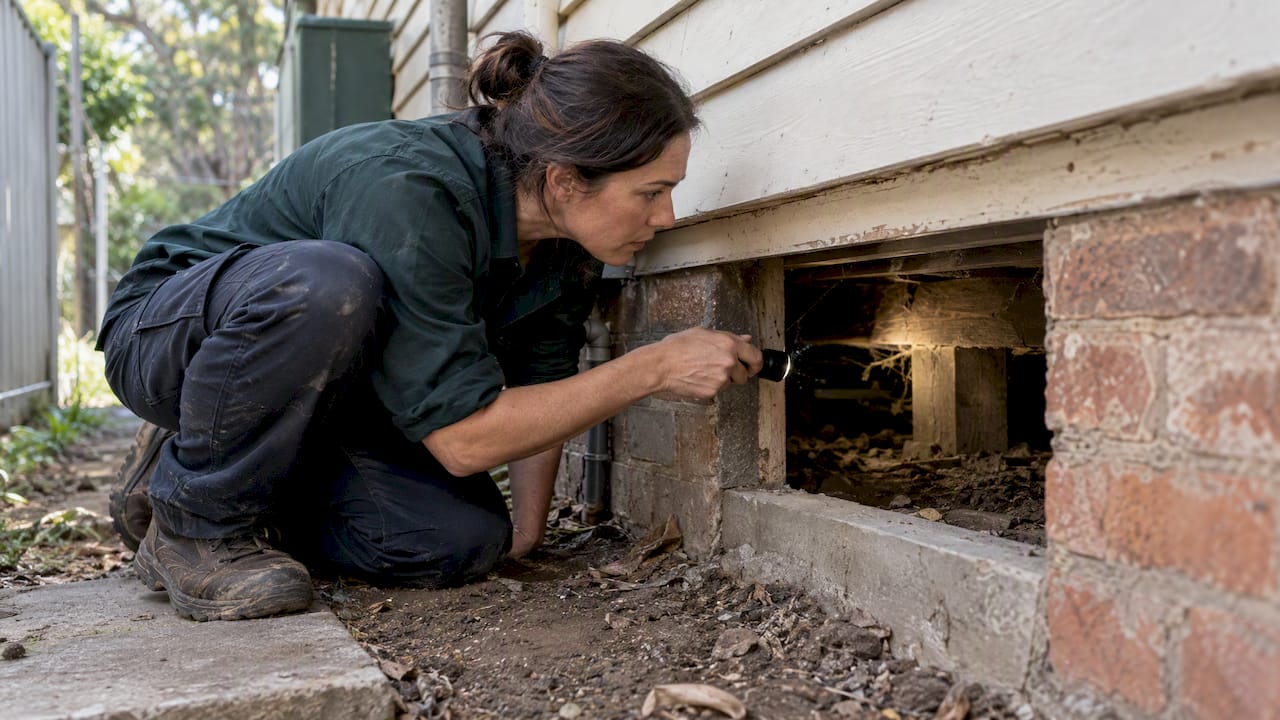
Once you have a shortlist, the on the ground checks matter as much as the data. For any apartment, request the strata minutes, the sinking fund statement and any record of past special levies before you make an offer. For any house, a building and pest inspection remains non-negotiable, even on a property that looks immaculate in photos.
Why off market access and buyer representation matter for US investors
Off market properties, those sold without a public listing, give serious buyers a wider field to choose from and often less competitive pricing than a publicly advertised campaign attracts. For an investor based overseas, this access is harder to replicate alone, because off market opportunities typically move through local agent relationships and word of mouth rather than public portals.
The services that matter most to a US based investor are:
- Pre market scouting: identifying properties before they are publicly listed, widening your choice beyond what you can see online.
- Independent appraisal: an unbiased valuation that protects you from paying above genuine market value when you cannot inspect in person.
- Remote auction bidding: a licensed representative bidding on your behalf under written instructions, so you are not trying to join a live auction from a different time zone.
- Negotiation and settlement management: handling the back and forth on price and conditions, then coordinating through to settlement.
We aim to achieve savings on purchase price and secure a portion of client purchases off market, based on completed transactions rather than a general market claim. Our team includes experienced buyers agents recognised for their expertise, and our typical purchase timeline from engagement to settlement runs around 54 days. You can review examples on our recent purchases page.
Pro Tip: Ask any buyer’s agent you are considering how many of their recent purchases were off market, and request to see verified settlement timelines rather than relying on a general claim.
Negotiation and auction tactics for buying in Sydney from overseas
Sydney auctions move quickly, and the biggest mistake overseas investors make is arriving without a firm maximum bid and a clear plan for who bids on their behalf.
- Set a firm pre auction limit based on your independent appraisal, not the agent’s guide price, and treat it as non negotiable once the auction begins.
- Nominate a licensed bidding agent with written instructions if you cannot attend in person, since NSW rules require a registered bidder at most auctions.
- Confirm deposit expectations early, as overseas buyers are usually still expected to pay the standard 10% deposit on the fall of the hammer or on exchange for a negotiated sale.
- Watch bidding increments and pacing, since auctioneers often start with larger increments and reduce them as bidding slows, which can signal when competition is thinning.
- Consider a pre auction offer when the vendor shows willingness to negotiate conditionally, since this can remove the uncertainty of a live auction entirely.
Before bidding or signing anything, check the contract for special conditions, confirm the cooling-off position (none applies once a property sells at auction), and verify strata records one final time if the property is an apartment.
A 30/60/90 day action plan to move from research to an offer
A structured timeline keeps a remote purchase on track and prevents decisions being rushed in the final weeks.
- Days 1 to 30: secure finance pre approval, build your suburb shortlist using the indicators above, and request strata and sales data packs for any apartments on your list.
- Days 31 to 60: engage a buyer’s agent, arrange inspections on your behalf, and begin preparing either a conditional offer or an auction bidding strategy depending on how each target property is being sold.
- Days 61 to 90: finalise your offer or bidding limit, arrange power of attorney documentation if you cannot sign in person, and confirm a settlement date that accounts for your travel or documentation timeline.
Each stage has a natural decision gate: do not move to inspections until finance is confirmed, and do not commit to an offer until strata and building checks are complete. Rushing any of these steps is where most remote purchases run into trouble.
What experience in this market actually teaches
The most common mistake I see is an investor falling in love with a property from photos alone and skipping the pacing cues that a live auction gives you, only to overpay because nobody set a firm limit beforehand. The simplest shortcut for a remote investor is a conditional offer backed by an independent inspection report, which removes most of the pressure an auction creates without weakening your negotiating position.
— Kristan
How we help US investors execute this strategy
We built our Complete Purchase Solution to cover exactly the gaps this plan exposes: strategy, off market search, independent appraisal, negotiation and settlement, all handled on your behalf. If you already have a property identified, our Negotiation Only service puts a licensed negotiator between you and the vendor, and our Auction Bidding service means you never need to join a live auction from overseas.

A first engagement typically starts with a call to discuss your goals and budget, either on 1800 676 177 or by emailing hello@sydneypropertybuyers.com.au. You can review our full range of buyer’s agent services to see which option fits your plan.
FAQ
What is the best investment strategy for a US buyer in Sydney?
A long hold, capital growth strategy in an established suburb with strong rental demand suits most remote investors best, since it requires less hands on management than a renovation project. Pairing this with finance pre approval and a buyer’s agent for off market access and negotiation reduces the operational burden of buying from overseas.
How much does a Sydney buyers agent cost?
Pricing depends on the service, and our Complete Purchase Solution and Auction Bidding options are available on request after an initial discussion about your goals. We charge a fee for service with a retainer at engagement that is deducted from the final balance on completion.
Can a US investor bid at a Sydney property auction remotely?
Yes, though NSW rules require a registered bidder at the auction, so most overseas investors nominate a licensed bidding agent with written instructions rather than attempting to bid in person. This avoids time zone issues and keeps bidding disciplined against a pre agreed limit.
What land tax applies to overseas investors in NSW?
NSW land tax applies once your land value exceeds A$1,075,000, and overseas investors face this threshold the same way local investors do, so it needs to sit in your annual cash flow model from day one, alongside strata levies and council rates.
Why do off market properties matter for investment buyers?
Off market properties are sold without a public listing, which widens the pool of options available to serious buyers and often reduces competitive pressure on price.
Recommended
- 10 Sydney Suburbs With Strong 2026 Growth for US Investors
- US Investors Face NSW Land Tax Once Land Value Exceeds A$1,075,000
- Buyers’ Agent Tactics with Valuer General Comps: Sydney for US Buyers
- 10 Sydney Suburbs Poised for 2026 Growth: US Investor Playbook