A special levy is a one-off additional contribution that lot owners in a strata scheme must pay when the owners corporation’s existing funds — the administrative fund or the capital works fund — are insufficient to cover a specific expense. In New South Wales, the power to raise one sits in Section 83 of the Strata Schemes Management Act 2015. If you have just received a levy notice, here is what to do immediately:
- Check the motion wording and meeting minutes to confirm the levy was passed by an ordinary resolution at a properly convened general meeting.
- Verify the resolution states the purpose, total amount, your individual share, and the payment due date.
- Note whether instalments are available — large levies are frequently split into stages at the time of resolution.
- Contact your strata manager in writing if any of those details are missing or unclear.
Pro Tip: A levy notice must state the purpose of the funds and the due date. If either is absent, request written clarification from the strata manager before the payment deadline passes.
Table of Contents
- Who pays, and how is your share calculated?
- How is a special levy approved at a meeting?
- What notice periods and payment terms apply?
- What happens if you do not pay a special levy?
- How to dispute a special levy — a step-by-step approach
- State-by-state rules: what changes depending on where your property sits
- Buying a strata property? How to spot levy risk before you exchange
- Key takeaways
- Why special levies reveal more than most buyers realise
- Sydney Property Buyers protects you from levy surprises
- Useful sources and further reading
Who pays, and how is your share calculated?
Every lot owner is liable for their proportionate share of a special levy, calculated by unit entitlement (also called lot entitlement). Unit entitlement is a number assigned to each lot when the strata plan is registered, reflecting the relative value or size of that lot within the scheme. The formula is straightforward:
Your levy share = Total levy amount × Your lot’s unit entitlement ÷ Total unit entitlements in the scheme
Worked example
| Item | Figure |
|---|---|
| Total unit entitlements in scheme | 100 |
| Your lot’s unit entitlement | 8 |
A lot with 8 entitlements out of 100 pays 8% of the total, regardless of whether that owner uses the common property being repaired. The same proportional logic applies to every lot in the scheme.
There is no statutory dollar cap on special levies in NSW — a scheme can approve any amount it genuinely needs. For large projects, the owners corporation commonly splits the total into instalments, with each instalment’s due date and any interest for late payment set out explicitly in the passed motion. Always check the motion wording for those details, not just the levy notice.
Pro Tip: Your unit entitlement is recorded on the registered strata plan, which you can obtain from NSW Land Registry Services or request from your strata manager. Cross-check it against the levy notice to confirm your share has been calculated correctly.
How is a special levy approved at a meeting?
A special levy cannot be imposed by the strata committee alone. It must be passed by an ordinary resolution at a properly convened general meeting of the owners corporation — meaning more than 50% of the voting value cast must support the motion. Voting value is weighted by unit entitlement, so larger lots carry more weight.
Key procedural requirements include:
- Entitlement polls: any owner can call a poll, which shifts the count from a show of hands to a vote weighted by unit entitlement. This can change the outcome significantly in schemes where a small number of owners hold large lots.
A demand for payment that arrives without a passed ordinary resolution behind it is procedurally invalid. If you cannot locate the meeting minutes confirming the vote, ask for them before paying.
What notice periods and payment terms apply?
The statutory minimums under NSW rules are clear: owners must receive at least 30 days’ notice to pay a standard special levy. Where the levy is for urgent repairs involving an imminent threat to health or safety, that minimum drops to 14 days.
A valid levy notice should include:
- The purpose of the levy (the specific works or expense it covers).
- The total amount approved and your individual share.
- The due date or instalment schedule.
- Bank account details for payment.
If any of those elements are missing, request a corrected notice in writing. Paying a defective notice does not waive your right to query the underlying resolution, but it does protect you from late-payment interest accruing while you wait for clarification.
For large levies, it is worth asking the strata manager whether the resolution permits a staged payment schedule. Many schemes approve instalments at the time of the vote precisely because a single lump sum would create hardship for some owners. The instalment dates and any interest rate for late payment should appear in the minutes.
Pro Tip: If a large levy will strain your cash flow, approach the strata manager before the due date — not after. Schemes are generally more willing to formalise a payment plan when an owner communicates early and in writing.
What happens if you do not pay a special levy?
Non-payment of a strata levy carries real financial and legal consequences. The owners corporation has several recovery tools available, and they tend to escalate quickly.
- Interest: — overdue levies accrue interest. The rate is set by the owners corporation (subject to any statutory cap in the relevant state legislation) and should be stated in the levy notice or the scheme’s by-laws.
- Charge on the lot: — in NSW, unpaid levies become a charge on the lot itself, meaning the debt attaches to the property. This can complicate or delay a sale — a vendor must disclose outstanding levies, and a purchaser’s solicitor will identify the charge during a title search.
- Tribunal action: the owners corporation can apply to the NSW Civil and Administrative Tribunal (NCAT) for orders to recover the debt, and disputes about levy validity can be heard there as well.
Ignoring a levy notice does not make the debt go away. The charge on title means it will surface at the worst possible moment — when you are trying to sell or refinance.
If you genuinely cannot pay, contact the strata manager immediately, explain your circumstances in writing, and request a formal instalment arrangement. Acting early gives you far more options than waiting for enforcement to begin.
How to dispute a special levy — a step-by-step approach
If you believe a levy was passed improperly or the amount is unreasonable, there is a clear escalation path. Work through it in order.
-
Gather the paperwork. Request the meeting notice and agenda, the motion as it appears in the minutes, the passed resolution, any contractor quotes or engineer reports that supported the levy, and the levy notice itself. Tribunals focus on procedure and reasonableness, so this documentary record is your foundation.
-
Check the procedural basics. Was the meeting properly noticed (at least 14 days)? Was the motion specific about purpose and amount? Was the resolution passed by the required majority? A failure on any of these points is grounds for challenge.
-
Raise concerns internally. Write to the strata manager or committee chair setting out your specific concerns. Request a response in writing. Many disputes resolve at this stage once procedural errors are acknowledged and corrected.
-
Lodge a complaint with NSW Fair Trading. If internal escalation fails, Fair Trading offers free dispute resolution services for strata matters. This is a required step before most tribunal applications.
-
Apply to NCAT. The NSW Civil and Administrative Tribunal hears strata disputes, including challenges to levy validity. You will need the documents from Step 1, your written correspondence from Step 3, and a clear statement of the procedural or substantive ground for your challenge.
Documents to collect and keep:
- Meeting notice and agenda
- Minutes of the general meeting (including the vote count)
- The levy notice
- Contractor quotes and cost estimates
- Any correspondence with the strata manager or committee
- The registered strata plan (for unit entitlement verification)
For matters involving a potential charge on title or where a levy dispute intersects with a property transaction, it is worth understanding how caveats and title encumbrances work before taking further steps.
State-by-state rules: what changes depending on where your property sits
Special levy rules share a common logic across Australia, but the legislation, tribunal names, and procedural details differ by state. Here is a concise reference.
| State | Governing legislation | Dispute body | Key notes |
|---|---|---|---|
| NSW | Strata Schemes Management Act 2015 (s83) | NCAT | 30-day standard notice; 14-day emergency; ordinary resolution required |
| QLD | Body Corporate and Community Management Act | Queensland Civil and Administrative Tribunal (QCAT) | Referred to as “body corporate” not owners corporation; similar resolution thresholds |
| VIC | Owners Corporations Act | Victorian Civil and Administrative Tribunal (VCAT) | Consumer Affairs Victoria provides practical fee and record-keeping guidance |
| WA | Strata Titles Act (as amended) | State Administrative Tribunal (SAT) | Landgate administers strata records; check their forms for levy and dispute processes |
| TAS | Strata Titles Act | Magistrates Court / Resource Management and Planning Appeal Tribunal | Smaller strata sector; check Consumer, Building and Occupational Services (CBOS) for guidance |
Regardless of state, the practical instruction is the same: check the relevant state regulator’s website and the registered strata plan for your lot’s unit entitlements before accepting any levy calculation at face value.
Buying a strata property? How to spot levy risk before you exchange
For prospective buyers, an undisclosed or imminent special levy can add thousands of dollars to the true cost of a purchase within weeks of settlement. The due diligence checklist below is the minimum standard.
- Check the vendor’s disclosure for outstanding levies — In NSW, a vendor must disclose any levies that have been levied but not yet paid. Confirm this against the strata manager’s certificate.
A strata report consolidates most of this information, but interpreting it correctly requires experience. Sydney Property Buyers reviews strata records as part of its standard due diligence process, modelling likely levy exposure and advising whether the risk is acceptable or whether the purchase price should be adjusted to reflect it.
Pro Tip: Always request an independent strata inspection report from a specialist strata inspector, not just the strata manager’s certificate. The certificate confirms what has been levied; the inspection report identifies what is likely to be levied next.
Key takeaways
A special levy is a one-off contribution required from all lot owners when a strata scheme’s ordinary funds cannot cover a specific expense, approved by ordinary resolution at a general meeting and calculated by unit entitlement.
| Point | Details |
|---|---|
| Definition and legal basis | A special levy is a one-off additional contribution governed by the Strata Schemes Management Act 2015 (s83) in NSW. |
| Approval requirement | Must be passed by ordinary resolution (more than 50% of voting value cast) at a properly convened general meeting. |
| Calculation method | Your share equals the total levy multiplied by your unit entitlement divided by total scheme entitlements. |
| Notice periods | Standard minimum is 30 days’ notice to pay; 14 days applies for urgent safety repairs in NSW. |
| Dispute pathway | Gather minutes and quotes, escalate internally, then lodge with NSW Fair Trading before applying to NCAT. |
| Sydney Property Buyers | Reviews strata records and models levy exposure as part of full due diligence for Sydney property buyers. |
Why special levies reveal more than most buyers realise
Special levies are treated as a financial inconvenience, but they are actually one of the most useful diagnostic signals in a strata purchase. A scheme that has raised multiple special levies in recent years is telling you something specific: either its capital works fund has been chronically underfunded, its 10-year plan is not being followed, or the building has defects that were not anticipated. Any of those three explanations matters enormously to a buyer.
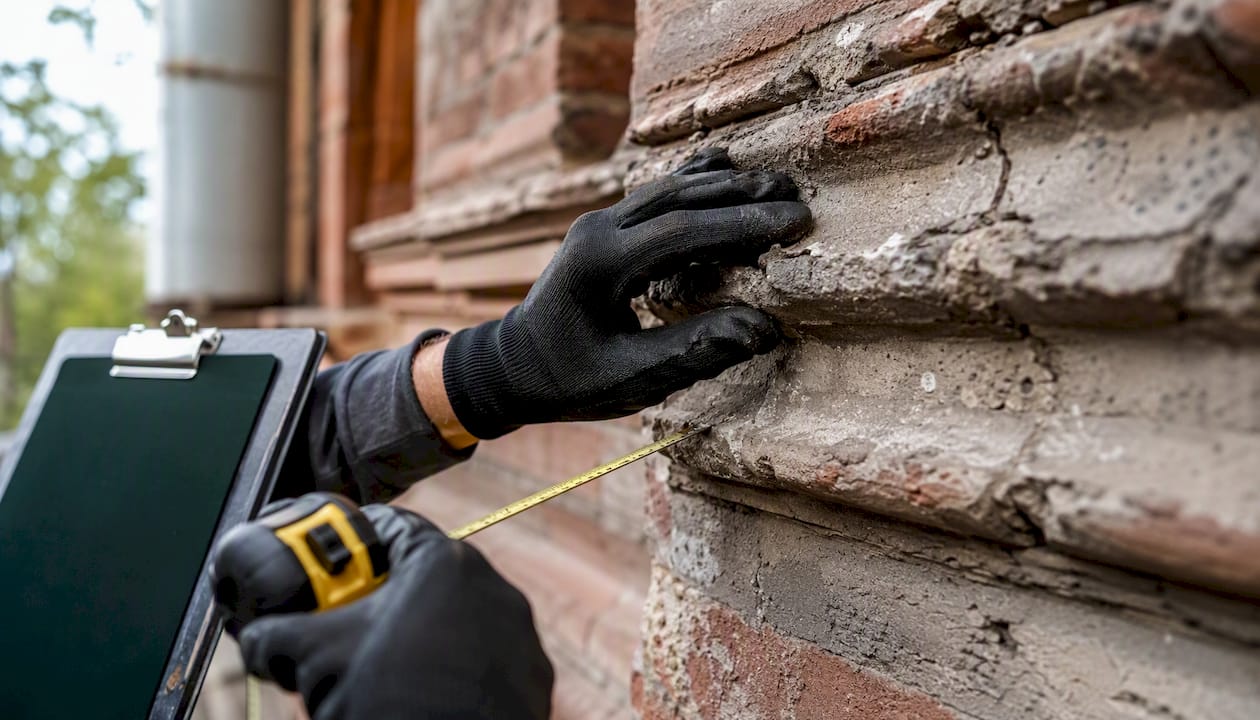
What concerns me most in practice is the gap between what a vendor discloses and what the strata minutes actually show. A vendor is required to disclose levies that have been formally raised. They are not required to disclose that the committee has been discussing a $400,000 façade repair for the past 18 months and simply has not called the meeting yet. That distinction is where buyers get caught.
The 10-year Capital Works Plan is the document that closes that gap, but only if you know how to read it. A plan that projects $20,000 in capital expenditure over the next decade for a 40-year-old building with a concrete structure is not a reassuring document — it is an implausible one. Experienced buyers agents read these plans with that scepticism built in.
Owners who receive an unexpected levy notice should resist the instinct to pay and move on. Check the resolution, verify your unit entitlement calculation, and confirm the meeting was properly convened. The procedural requirements exist precisely to protect owners from levies that are rushed, poorly justified, or simply wrong.
Sydney Property Buyers protects you from levy surprises
Strata due diligence is one of the areas where professional buyer representation pays for itself most clearly. Sydney Property Buyers conducts full strata record reviews on every purchase, including analysis of meeting minutes, the 10-year Capital Works Plan, outstanding levies, and any engineer or defect reports on file. Where a levy risk is identified, the agency models the likely exposure and uses that figure in price negotiation or advises whether to walk away entirely.

The agency’s full purchase service covers strategy, property search, independent appraisal, strata due diligence, negotiation, and settlement management across Inner West Sydney, Eastern Suburbs, Lower North Shore, and Eastern Beaches. If you have already found a property and need a strata review and negotiation support, the Negotiation Only service is available for that too. Call 1800 676 177 or email hello@sydneypropertybuyers.com.au to discuss your situation before you exchange.
Useful sources and further reading
The sources below are the primary references for the rules covered in this article. Always check the current version of any legislation or regulator page, as rules are updated periodically.
| Source | What it covers | Why it is useful |
|---|---|---|
| Levies — NSW Government | Definition, approval, notice periods, unit entitlement calculation | Plain-language official guidance for NSW owners |
| Strata Schemes Management Act 2015, s83 | Statutory power to levy contributions | The legal test — use this to check whether a levy was validly raised |
| Consumer Affairs Victoria — fees | Fee management and record-keeping in Victoria | Practical checklists for VIC owners on what records to request |
| LookUpStrata — ordinary resolution and polls | Voting thresholds, entitlement polls, real examples | Practical Q&A format; useful for understanding poll mechanics |
| Flex Insurance — special levy disputes | Common dispute causes and escalation paths | Industry perspective on how disputes typically arise and resolve |
For state-specific forms and tribunal contacts: NCAT (NSW), QCAT (QLD), VCAT (VIC), SAT (WA), and Consumer, Building and Occupational Services (TAS).
This article provides general information about strata levies in Australia and is not legal or financial advice. Levy rules vary by state and scheme. Confirm current rules with your state regulator, the registered strata plan, or a qualified legal professional before acting.
Recommended
- What is a strata report? A buyer’s guide for 2026
- Why a buyer’s agent checks strata records in Sydney
- Eastern suburbs property buying guide: 2026 edition
- What is a property title search? Your 2026 guide