A buyers agent property valuation report is an independent, buyer-focused assessment that gives you a defensible price range for a specific property, backed by comparable sales evidence rather than a vendor’s wish list. Its job is simple: tell you what a property is genuinely worth before you make an offer or raise your paddle at auction, not what a seller hopes it’s worth.
A solid report typically includes:
- A concluded value range (lower quartile, median, upper quartile)
- A shortlist of recent comparable sales, adjusted for differences
- Property specifics: land size, condition, floor plan and photos
- The data window and assumptions behind the numbers
Get one commissioned before you submit an offer or register to bid at auction, not after. Unlike a bank valuation, which protects the lender, or a certified practising valuer (CPV)‘s formal valuation, which serves legal and lending purposes, a buyers agent report like those prepared by Sydney Property Buyers exists purely to protect your negotiating position.
Key Takeaways
A buyers agent property valuation report gives buyers a forensic, comparable-based price range that outperforms listing prices, online estimates and bank valuations for negotiation purposes.
| Point | Details |
|---|---|
| Get the report before you act | Commission it before submitting an offer or registering to bid at auction, not afterwards. |
| Demand visible workings | A credible report shows dated comparables, adjustment logic and named data sources, not just a final figure. |
| Know which number serves whom | Selling agent guidance, bank valuations and AVMs each protect a different party’s interest, not yours. |
| Use the range as discipline | The lower quartile is your walk-away floor, the median your fair estimate, the upper quartile your ceiling. |
| Commission a formal valuer for edge cases | Thin markets, unusual properties or a large gap versus a bank valuation warrant a registered valuer’s opinion. |
| Choose a buyer-focused agency | Sydney Property Buyers combines valuation reports with off-market access and negotiation support, averaging a 54-day purchase timeline and roughly 9% savings for clients. |
Table of Contents
- What’s included in a buyers agent property assessment report
- How buyers agents calculate a property’s value
- How does a buyers agent valuation differ from other estimates?
- How to use the valuation report to make an offer
- What does a buyers agent valuation report cost and how long does it take?
- How do you commission a buyers agent report and what should you ask?
- What are the limitations of a buyers agent valuation?
- A checklist to assess any buyers agent valuation report
- Why credentials and evidence matter in a buyers agent report
- Get a buyer-focused valuation before your next offer
- Sources
What’s included in a buyers agent property assessment report
A credible report reads less like marketing copy and more like a case file. Every conclusion should be traceable back to a source, a calculation, or a stated assumption. If you can’t see the working, you can’t trust the number.
The core sections to expect:
- Property details: land size, dwelling size, zoning, aspect, and any easements or heritage overlays
- Title and land data: pulled from land titles records, confirming boundaries, ownership history and any encumbrances
- Floor plan and photographs: enough to judge layout, natural light and condition without a physical inspection
- Comparable sales: typically four to eight recent sales, each adjusted for differences in size, condition and location
- Normalisation notes: the logic behind each adjustment, so you can see why one comparable was marked up and another marked down
- Concluded price range: a lower, median and upper figure, with a stated confidence level
Here’s how the typical report structure breaks down:
| Report Section | Prepared By / Sourced From | What the Number Means |
|---|---|---|
| Comparable sales list | Recent sales records, off-market intelligence | Shows the price band recent buyers actually paid for similar stock |
| Title and land check | Title and land records | Confirms legal boundaries, size and any restrictions affecting value |
| Adjustment worksheet | Buyers agent’s forensic analysis | Explains why the subject property sits above or below each comparable |
| Concluded value range | Buyers agent, cross-checked against council records | Gives a walk-away floor, a fair estimate and a ceiling for negotiation |
Professional property assessments generally combine comparable sales research, condition checks, location factors and due diligence coordination into one document, which is exactly what separates a proper property valuation guide approach from a quick online guess.
Pro Tip: Ask the agent for the exact date window used for comparables (90 days is a sound benchmark), the search radius, and the written rationale behind at least one adjustment. If they can’t produce it on request, the number isn’t defensible.
How buyers agents calculate a property’s value
The process behind a rigorous property value analysis follows a repeatable sequence, not gut feeling. Here’s the typical seven-step forensic comparable analysis process:
- Filter recent sales within a tight geographic radius and a defined time window, usually 90 days
- Screen for genuine comparability — similar land size, dwelling type, condition and configuration
- Normalise each sale, adjusting for differences in size, condition, aspect, parking and renovation quality
- Score comparables by weighting how closely each matches the subject property
- Convert to a rate metric, typically price per square metre of land or per square metre of living area
- Apply the rate to the subject property’s own dimensions to generate a raw value
- Derive a value band from the adjusted results: lower quartile, median and upper quartile
Say three comparable sales adjust out to a range of prices per square metre of land. Applied to a 450 square metre block, that produces a value band running from a low estimate to a high estimate, with the median sitting near the center of that range. That band becomes the walk-away ceiling and the fair-market benchmark.
Sources feeding this process include land title searches, recently contracted sale prices (not just listing prices), council records for zoning and permitted use, and off-market intelligence gathered through agent relationships. Buyers agents combine comparable sales analysis with on-ground due diligence and off-market intelligence precisely because public listing data alone leaves gaps.
The gap between desk-based automated estimates and forensic analysis is where most overpaying happens. Industry commentary suggests online estimates and listing prices can run 10 to 15% off actual selling prices in active markets, a margin that matters enormously on a seven-figure purchase.
How does a buyers agent valuation differ from other estimates?
Four different sources will hand you four different numbers on the same property, and each one exists to serve a different interest. Knowing whose interest each number protects is the whole game.
- Selling agent’s price guidance: a marketing appraisal designed to attract buyers and satisfy the vendor, carrying no legal liability and a built-in incentive to lean optimistic
- Bank valuation: ordered by the lender to protect its own lending exposure, often more conservative than market reality, particularly in softening conditions or high loan-to-value scenarios
- Automated valuation model (AVM): a quick, desk-based estimate drawing on public sales data, useful as a sanity check but blind to condition, off-market sales and local nuance
- Buyers agent report: forensic, buyer-focused analysis weighted towards protecting your negotiating position rather than anyone else’s
Agent appraisals and formal valuer valuations serve genuinely different purposes: appraisals are sales tools, while a registered valuer follows regulated methodology and carries professional liability for the figure they sign off on.
Commission a formal valuation from a registered valuer to break the tie, especially before you commit to unconditional finance.*
Picture this: your buyers agent’s report puts a property at $1.42 million, but the bank valuation comes back at $1.31 million. That gap should shift your negotiation, not your confidence. It might mean you need a larger deposit, or it’s a signal to renegotiate settlement terms rather than the headline price.
How to use the valuation report to make an offer
The report is only worth something once you act on it. Here’s the practical sequence:
- Set your walk-away ceiling at or just above the upper quartile figure from the report
- Define your negotiation buffer, usually the gap between the median and your ceiling, giving you room to move without overpaying
- Align the numbers with your finance approval and due diligence timeline, so you’re not negotiating against a clock you can’t meet
- Cross-check against recent comparables one more time in the days before you act, since fast-moving markets shift quickly
If the report provides a median and upper quartile value, a sensible opening offer might be slightly below the median, structured with a reasonable deposit and settlement period, leaving room to move up if needed depending on competition.
At auction, the same range becomes your bidding discipline. The report gives you a hard ceiling before adrenaline takes over, which is exactly why a documented negotiation strategy matters as much on the day as beforehand. Before you commit, check whether the vendor has shown urgency signals (multiple price drops, an extended campaign), and confirm your own bank valuation risk if you’re borrowing near the limit.

Pro Tip: Keep a “last look” figure in your head, separate from your ceiling. It’s the number you’d pay only if the alternative is losing the property entirely, and you should decide it before auction day, not during it.
What does a buyers agent valuation report cost and how long does it take?
Turnaround for a full report typically runs a few days once the agent has inspection access and comparable data, though a rush job or a simpler desktop summary can move faster.
Charging models vary:
- Bundled into the buyers agent’s overall fee as part of a full-service engagement
- Charged as a standalone service for negotiation-only clients
- Structured as a retainer at engagement, with the balance settled on completion
For comparison, a formal valuation from a registered valuer, the kind lenders require, typically costs in the low hundreds of dollars, separate from any buyers agent fee.
A rough timeline from instruction to delivery:
- Engage the agent and confirm the brief
- Schedule inspection access, ideally within a day or two
- Agent completes comparable research and title checks
- Report delivered, typically alongside a finance and due diligence checklist
How do you commission a buyers agent report and what should you ask?
Getting a report started is straightforward, but the questions you ask beforehand determine whether it’s worth the paper it’s printed on.
- Engage the agent and agree the brief, specifying the property and your timeline
- Confirm data access, including title records and any off-market leads the agent can tap
- Schedule the inspection, ideally outside standard open-home hours for a fuller picture
- Review the draft and query anything unclear before relying on the final figure
- Receive the final report, timed to your offer or auction date
Questions worth asking upfront:
- What date window and search radius did you use for comparables?
- Were off-market sales checked, not just publicly listed ones?
- What’s your licensing and how many years have you been active in this specific market?
- Can I see the adjustment workings, not just the final number?
Red flags to walk away from: a report with no visible calculations, no named data sources, a value based on a single comparable, or assumptions that are never written down.
On confidentiality: a report prepared for you is yours to use, including sharing it with your lender or solicitor as supporting evidence, though you should confirm this explicitly in the engagement terms rather than assume it.
What are the limitations of a buyers agent valuation?
No valuation report, however rigorous, removes every risk. It’s built on stated assumptions, and every assumption is a place where the number could be wrong.
Common assumptions worth checking:
- Property condition: reports usually assume no hidden structural issues unless a building inspection has already flagged them
- Permitted use and zoning: based on current council records, which can change
- Comparable availability: in thin markets, fewer than four genuine comparables weakens confidence in the band
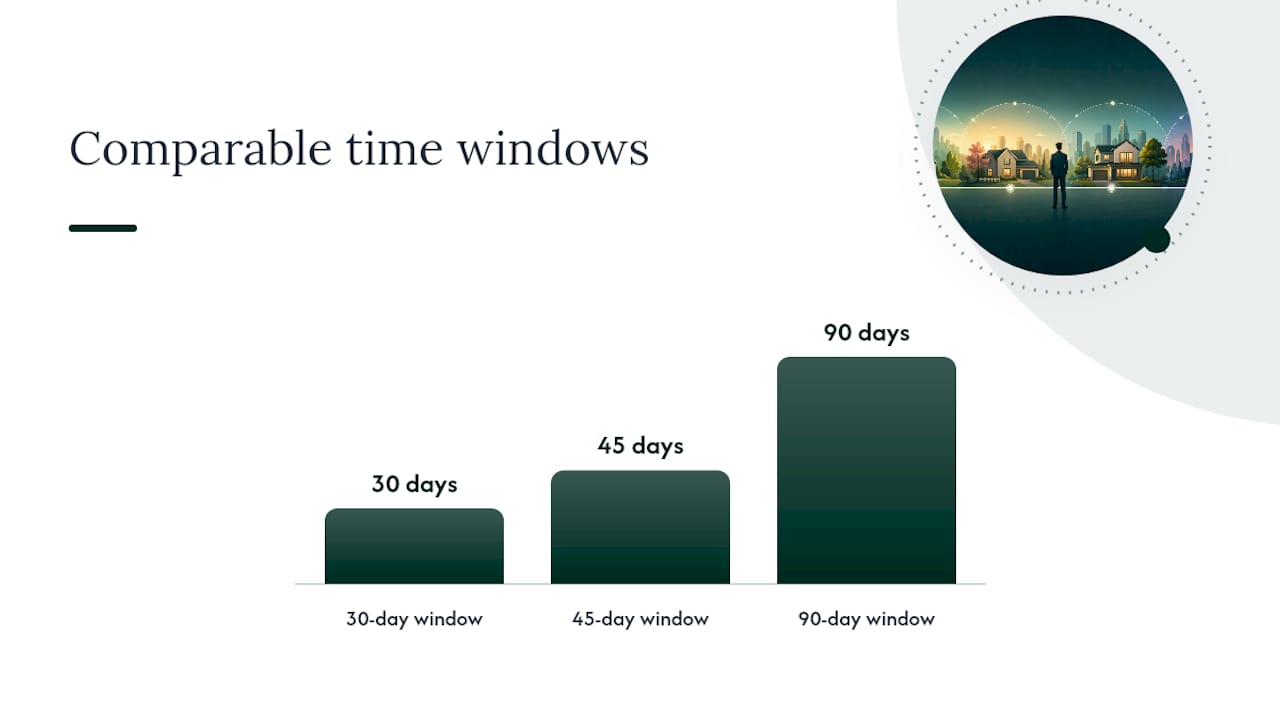
Blind spots to watch for include undisclosed vendor incentives (a settlement adjustment or included fittings that skew a comparable sale price), and unseen defects a valuation report was never designed to catch. Rapidly shifting markets shrink the reliable data window; in a fast-moving buyer’s or seller’s market, a 90-day comparable set can already be stale, and a tighter 30 to 45 day window becomes more reliable even with fewer data points.
Pro Tip: If the property is unusual, heritage-listed, has a complex title, or the market has fewer than four genuine comparables, commission a formal valuation from a registered valuer alongside the buyers agent report rather than relying on one document alone.
A checklist to assess any buyers agent valuation report
Run any report you receive through this before you trust it with your money.
Document completeness:
- Comparable sales are dated within a stated, sensible window
- Adjustment workings are shown, not just asserted
- Data sources are named (title records, council records, recent sales)
- Photos and a floor plan or site plan are included
Calculation checks:
- Figures are converted to a consistent rate metric (per square metre of land or floor area)
- Outlier sales are flagged and excluded or explained, not silently averaged in
- Each comparable carries a visible comparability score or weighting
If the report ticks every box, proceed with confidence. If one or two items are missing, ask for a revision before you act on the figure. If the report has no visible workings at all, treat the number as a guess and walk away from relying on it.
Why credentials and evidence matter in a buyers agent report
A valuation is only as trustworthy as the person who prepared it. Kristan Johnson, director of Sydney Property Buyers, is a licensed buyers agent and the Inner West Local Business Awards named him 2024 Outstanding Buyers Agent of the Year, recognition built on negotiation, auction bidding and off-market acquisition work across Sydney.
A report is only as good as the evidence behind it. We don’t put a number on paper unless we can point to the sales that built it, the adjustments we made, and the reason each one is there. That’s the difference between a document that protects a buyer and one that just looks official.
Sydney Property Buyers has secured over 100 properties for clients, holds a 5.0 Google rating, and reports:
- An average purchase time of 54 days from engagement to settlement
- More than 30% of purchases secured off-market, outside public listings entirely
- An average saving of around 9% on purchase price
That off-market access matters directly to valuation quality. A buyers agent property assessment built only on public listing data is working with an incomplete picture; one that draws on off-market property access sees sales a desk-based estimate never will. A licensed buyers agent’s report should always outperform a free online estimate on exactly this point: it’s grounded in inspected properties, verified titles and sales the algorithm never saw.
A note from the buyer’s agent
I’ve sat across the table from too many buyers who trusted a listing price or an online estimate right up until the day they lost a property to someone with better numbers, or worse, overpaid because nobody checked the comparables properly. Every report we prepare is built on verified sales, not guesswork, because a buyer’s protection has to come first.
One habit worth stealing: never take an off-market comparable at face value. Always verify the settlement date and price through title records before it goes anywhere near your value band.
Get a buyer-focused valuation before your next offer
There are other ways to gauge a property’s worth, a quick online estimate, a chat with the selling agent, a bank valuation ordered after you’ve already gone unconditional, but none of them are built to protect your position the way a dedicated buyers agent report is. Sydney Property Buyers prepares independent valuation reports as part of a full purchase service that also covers due diligence, negotiation and auction bidding, so the number on the page connects directly to a strategy on the day.

The service runs two ways: full representation from strategy through to settlement, or negotiation-only support once you’ve found the property yourself. Either way, access to off-market and pre-market listings means your comparable set, and your final offer, is built on more than what’s publicly listed. A small retainer applies at engagement and is deducted from the final fee on completion, and every engagement is confidential from the first conversation.
If you’re preparing to make an offer or planning to bid at auction, look at Sydney Property Buyers’ full process from search to settlement, or call 1800 676 177 to talk through what a valuation report would look like for your specific target property.
Sources
- How Buyers Agents Assess Property Value in Greater Brisbane: 2026
- Seen
- Property Appraisal vs Valuation in Australia: 9 Key Differences That Matter
- Property Valuation Guide Australia: Types, Costs and What to Expect (2026) | Realestate Lens
This article is general information, not a substitute for advice from a qualified financial advisor. Consult a qualified financial professional about your own circumstances before acting on anything here.
Recommended
- Types of buyers agent property assessments explained
- Why a buyer’s agent attends inspections in Sydney
- What is a suburb report buyer’s agent in Sydney?
- How a buyers agent saves you money on property