Due diligence in property is a formal investigation carried out by a buyer after an offer is accepted but before settlement, to verify the property’s legal standing, physical condition, and financial obligations. The process protects buyers from costly surprises by confirming that what is being sold matches what was advertised. Skipping or rushing it is one of the most expensive mistakes a buyer can make in the Australian property market. This guide explains what the property due diligence process involves, why it matters, and how to conduct it effectively whether you are buying a home in Sydney’s Inner West or a commercial asset on the Lower North Shore.
What does the property due diligence process typically involve?
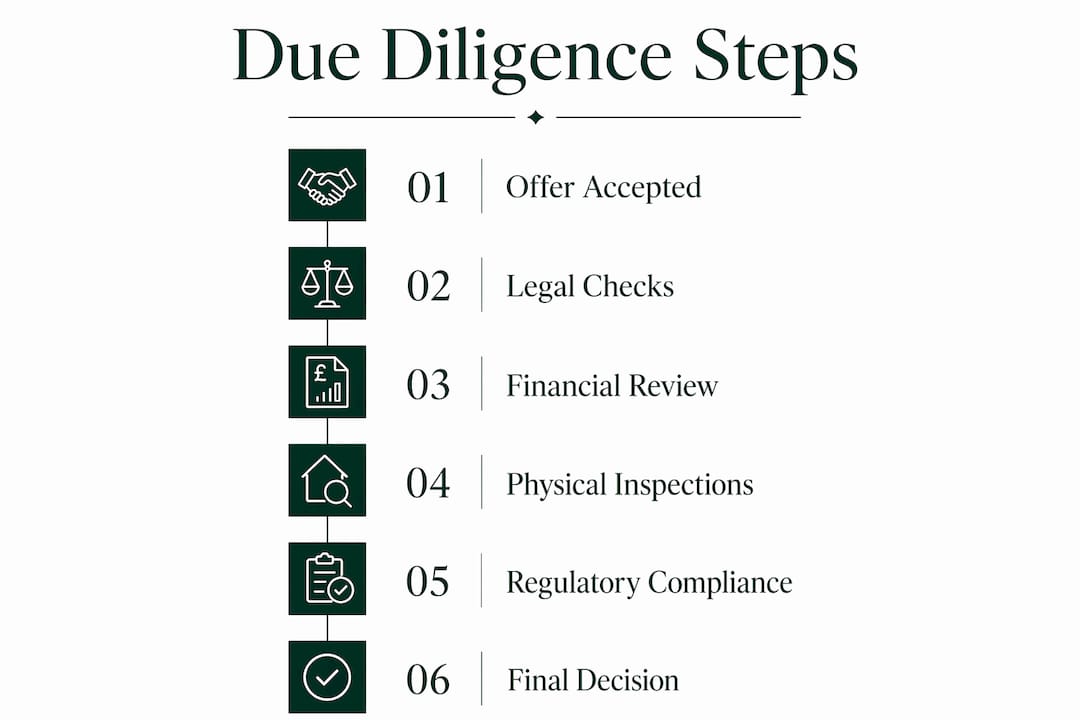
Due diligence covers four primary domains: legal, financial, physical, and regulatory. Each domain carries its own risks, and gaps in any one of them can derail a purchase or cost you significantly after settlement.
Legal due diligence confirms clear title, identifies any encumbrances, caveats, or easements, and verifies that the seller has the right to sell. A licensed conveyancer or solicitor handles this work in New South Wales.

Financial due diligence covers council rates, water charges, land tax obligations, and any outstanding levies. For strata properties, this includes reviewing the owners corporation records and the sinking fund balance.
Physical due diligence involves commissioning independent building and pest inspections. General home inspections typically produce reports within 24–48 hours, though environmental or specialist tests can extend the timeline by several weeks.
Regulatory due diligence checks zoning classifications, development approvals, and any council orders affecting the property. A property that appears structurally sound can still carry significant risk if an unapproved extension or illegal structure exists on title.
The key reports and checks most buyers should commission include:
- Building and pest inspection report
- Title search and section 149 (planning) certificate
- Strata inspection report (for units and townhouses)
- Survey report if boundary disputes are a concern
- Drainage and sewerage diagram from Sydney Water
Due diligence typically runs for 7 to 90 days, depending on the complexity of the transaction and the terms agreed in the contract. Residential purchases in New South Wales commonly allow a 5 to 10 business day cooling-off period, which functions as the practical due diligence window for most buyers. That window is short.
Pro Tip: Order your building and pest inspection the same day contracts are exchanged. The due diligence clock starts immediately upon contract signature, and delays in booking inspectors are the most common reason buyers feel pressured to waive conditions.
Why is due diligence essential for protecting your purchase?
Due diligence gives the buyer the legal right to renegotiate or exit without penalty if significant issues are uncovered during the investigation period. That right is only valuable if you use the time well.
The risks of inadequate due diligence are concrete and well documented:
- Undisclosed structural defects: Rising damp, subsidence, or termite damage that a vendor is not legally required to volunteer
- Title defects: Unregistered easements, boundary encroachments, or caveats that restrict your use of the land
- Financial liabilities: Unpaid council rates, outstanding strata levies, or land tax obligations that transfer to the buyer at settlement
- Regulatory non-compliance: Unapproved structures, heritage overlays, or zoning restrictions that limit what you can do with the property
Failing to conduct reasonable due diligence increases legal exposure and reduces negotiating leverage. A buyer who discovers a structural problem after settlement has limited recourse. A buyer who finds the same problem during due diligence can renegotiate the price, request remediation, or walk away.
Due diligence is also distinct from a standard property inspection or audit. It is a forward-looking investigation designed to assess investment viability, not a retrospective review of past records. That distinction matters because it frames the entire exercise as decision support, not compliance.
“Never rely solely on what the vendor or their agent tells you. Seller disclosures and marketing materials are prepared to present the property favourably. Your due diligence exists precisely to verify those claims independently.”
Discrepancies between seller-provided information and raw financial records are common. Cross-checking vendor statements against original council records, strata financials, and utility bills is the only reliable way to confirm what you are actually buying.
How does due diligence differ between residential and commercial property?
The scope, duration, and complexity of due diligence vary significantly between residential and commercial purchases. Understanding those differences helps you allocate time and budget correctly from the outset.
| Factor | Residential | Commercial |
|---|---|---|
| Typical timeframe | 7–21 days | 30–90 days |
| Key legal checks | Title, easements, strata | Title, leases, encumbrances |
| Physical inspections | Building and pest | Structural, mechanical, environmental |
| Financial review | Rates, levies, land tax | Rent rolls, operating statements, outgoings |
| Regulatory checks | Zoning, DA approvals | Zoning, environmental compliance, permits |
| Common deal breakers | Unapproved structures, pest damage | Zoning non-compliance, title defects |
About 30% of commercial real estate deals fail during due diligence due to issues such as zoning non-compliance or title defects. That figure reflects how much more complex commercial transactions are, and how much more can go wrong.
For residential buyers in Sydney, the most common deal breakers are unapproved structures and significant pest damage. Both are discoverable with the right inspections. For commercial buyers, environmental assessments revealing contamination or recognised environmental conditions can require costly remediation and derail transactions entirely.
Pro Tip: For commercial purchases, never rely on the vendor’s offering memorandum alone. Validate financial claims against original tax records, utility bills, and trailing 12-month operating statements before forming any view on value.
What steps should Australian property buyers take for effective due diligence?
A structured approach to the property due diligence process reduces the risk of missing something critical under time pressure. These steps apply to residential purchases in New South Wales, with additional considerations noted for strata and off-market acquisitions.
-
Engage a conveyancer or solicitor before exchange. Have your legal adviser review the contract of sale before you sign. They will identify unusual conditions, restrictive covenants, and any issues with the title that warrant further investigation.
-
Book a building and pest inspection immediately. Timely coordination of inspections is critical to avoid being forced into risky decisions as deadlines approach. Book the inspector the same day you exchange contracts.
-
Order a strata inspection report if applicable. For units and townhouses, a strata report reveals the financial health of the owners corporation, any pending special levies, and the history of disputes or defects within the building.
-
Conduct a title search and review the section 149 certificate. The section 149 certificate from the local council confirms zoning, heritage listings, flood or bushfire overlays, and any development restrictions affecting the land.
-
Check council records for unapproved works. Compare the approved plans on file with the council against what physically exists on the property. Unapproved structures can be costly to legalise or demolish.
-
Review findings with your conveyancer and buyer’s agent. Once reports are in, assess the findings collectively. Minor defects are normal. Structural issues, title problems, or regulatory non-compliance warrant either renegotiation or withdrawal.
Legal and technical due diligence components require qualified professionals to ensure completeness and accuracy. Preliminary market research, such as checking recent comparable sales and local zoning maps, can be buyer-led. The technical work cannot.
A licensed buyer’s agent adds particular value during due diligence by coordinating inspections, interpreting reports, and advising on whether identified issues are deal-breakers or negotiating points. They also attend physical inspections independently of open home schedules, which matters when you are working against a tight cooling-off deadline.
Pro Tip: Keep a written record of every inspection, report, and communication during due diligence. Maintaining an audit trail is critical if disputes arise later over what was disclosed or investigated.
Key takeaways
Property due diligence is a structured, time-limited investigation covering legal, financial, physical, and regulatory domains that every buyer must complete before settlement to protect their purchase.
| Point | Details |
|---|---|
| Four core domains | Legal, financial, physical, and regulatory checks must all be completed before settlement. |
| Time pressure is real | The due diligence clock starts at contract exchange; book inspectors immediately to avoid deadline pressure. |
| Residential vs commercial | Residential due diligence typically takes 7–21 days; commercial transactions can require up to 90 days. |
| Professional advice is non-negotiable | Conveyancers, building inspectors, and buyer’s agents each cover distinct parts of the process. |
| Documentation protects you | Keep an audit trail of all reports and communications in case disputes arise after settlement. |
Due diligence is where deals are won or lost
I have worked with buyers across Sydney’s Inner West, Eastern Suburbs, and Lower North Shore for years, and the pattern I see most often is this: buyers who treat due diligence as a formality are the ones who end up with problems. They assume the building looks fine, the strata is healthy, and the council records match what they can see. Sometimes they are right. Often they are not.
The most common misconception I encounter is that a building inspection is the same as due diligence. It is one component of it. A building report will not tell you about an unregistered easement, an unpaid special levy, or a zoning restriction that prevents you from adding a granny flat. Those discoveries come from title searches, strata reports, and council checks that buyers frequently skip because they feel confident after a positive inspection.
I have seen experienced buyers, people who had purchased multiple properties before, overlook strata financials and inherit a special levy of tens of thousands of dollars within months of settlement. The information was available. They simply did not look.
The buyers I work with who feel most confident at settlement are those who treat due diligence as an investment in certainty. The cost of commissioning the right reports is modest relative to the purchase price. The cost of not doing so can be enormous. If a property cannot withstand proper scrutiny, that is information you need before you are legally committed, not after.
— Kristan
How Sydney Property Buyers supports you through due diligence
Property due diligence is where the real work of buying happens, and having the right team around you makes a measurable difference.

Sydney Property Buyers manages the full purchase process for clients across Sydney’s Inner West, Eastern Suburbs, Lower North Shore, and Eastern Beaches. That includes coordinating building and pest inspections, reviewing strata and title reports, and advising on whether findings warrant renegotiation or withdrawal. The agency’s full service offering covers everything from initial property search through to settlement, with due diligence built into every purchase. For buyers who have already identified a property, the Negotiation Only service provides professional representation at the point where due diligence findings matter most. To see how the process works in practice, review the step-by-step purchase process or call 1800 676 177 to speak with the team directly.
FAQ
What does due diligence mean in property?
Due diligence in property is a formal investigation conducted by the buyer after an offer is accepted, covering the property’s legal title, physical condition, financial obligations, and regulatory compliance before settlement is finalised.
How long does due diligence take in Australia?
Residential due diligence periods typically run from 7 to 21 days, aligned with the cooling-off period in New South Wales. Commercial transactions can require 30 to 90 days depending on complexity.
What does a due diligence service include?
A full due diligence service covers title searches, building and pest inspections, strata reports, council certificate reviews, and financial checks including rates and outstanding levies. Legal and technical components require qualified professionals such as conveyancers and licensed inspectors.
Can I withdraw from a purchase during due diligence?
Yes. Due diligence gives buyers the legal right to renegotiate or exit without penalty if significant issues are uncovered during the investigation period, provided the contract includes appropriate conditions or the cooling-off period is still active.
Do I need a buyer’s agent for due diligence?
A buyer’s agent is not legally required, but they coordinate inspections, interpret reports, and advise on findings in ways that reduce risk. Sydney Property Buyers attends independent property inspections seven days per week, separate from vendor-controlled open home schedules.
Recommended
- What does fiduciary duty mean for a buyer’s agent?
- Why a buyer’s agent reviews contract: Sydney guide
- How a buyers agent oversees property settlement in sydney
- Why a buyer’s agent suits interstate buyers in Sydney