A buyer’s agent attends property inspections to protect your interests, interpret technical findings, and convert defect reports into negotiation leverage. This is not a courtesy visit. It is a professional service that directly affects the price you pay and the risks you accept. Sydney buyers who rely solely on a written inspection report often misread defect classifications, overlook follow-up requirements, and miss opportunities to negotiate credits or repairs. Understanding the buyer’s agent role at inspections is one of the most practical things you can do before committing to a purchase.
Why does a buyer’s agent attend inspections?
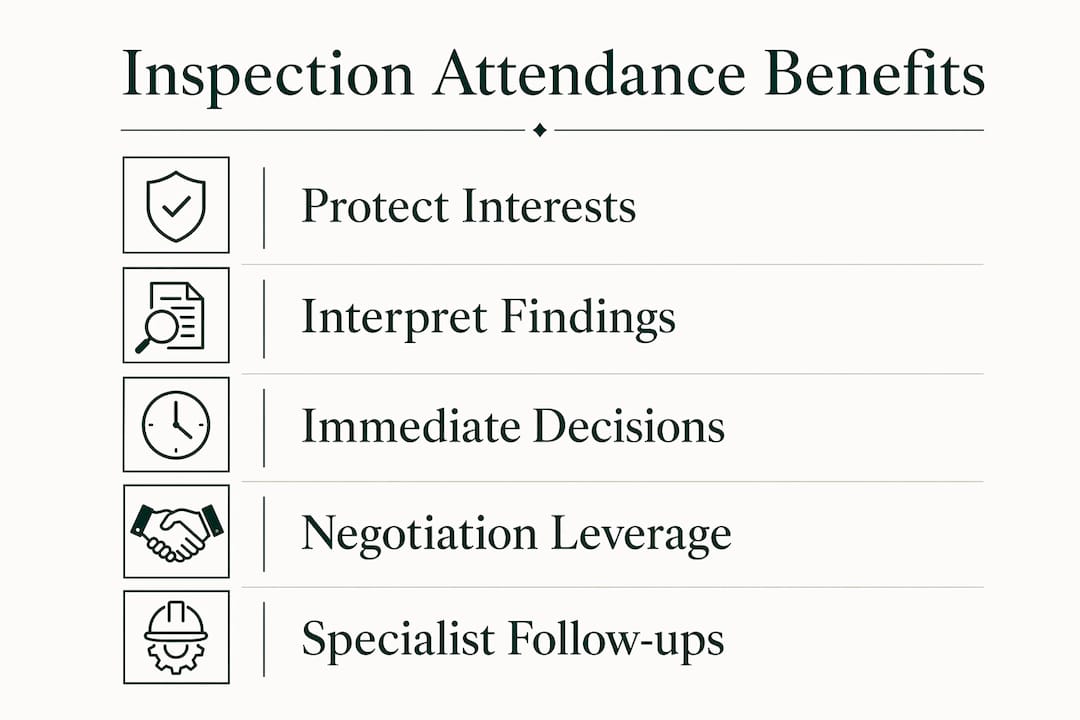
The core reason a buyer’s agent attends inspections is to translate what the inspector finds into decisions you can act on immediately. A full-service buyer’s agent covers the entire purchase journey, and inspection attendance is one of the most time-sensitive parts of that process. The findings from a pre-purchase building inspection govern your negotiation position, your decision to proceed, and whether specialist follow-up is needed. Without an agent present, buyers are left to interpret a technical document alone, often after the window for action has narrowed.
Pre-purchase building inspections in Australia are visual and non-invasive assessments governed by Australian Standard AS 4349.1. That standard sets the minimum scope for reporting on major defects, minor defects, and inaccessible areas. The practical implication is that the report tells you what was visible on the day, not what lies behind walls or under floors. An experienced buyer’s agent understands those limitations and knows which findings warrant further investigation.
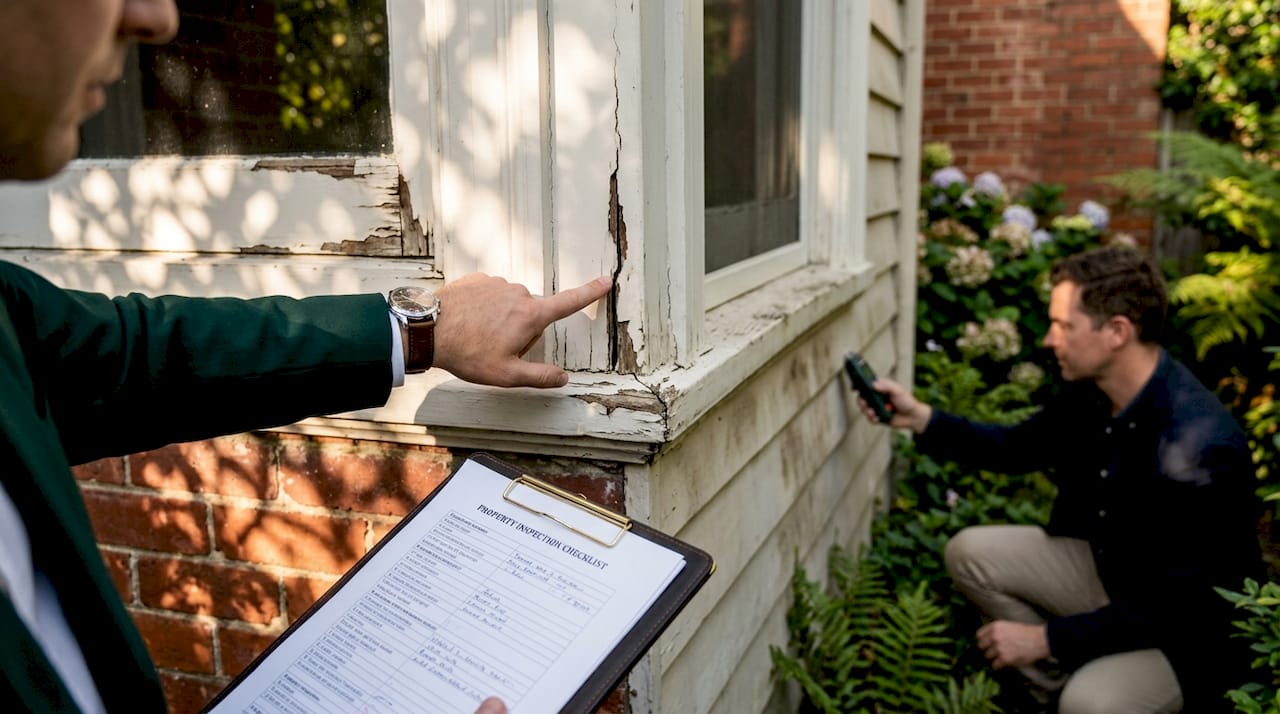
Inspection attendance is not about replicating the inspector’s technical role. It is about interpreting findings quickly for buyer advantage and planning the next steps before the cooling-off period expires. That distinction matters enormously in Sydney’s fast-moving property market, where decisions made in the 24 hours after an inspection can determine whether a deal proceeds on your terms or the vendor’s.
What does a buyer’s agent do during a property inspection?
The agent’s role during the inspection itself is structured and deliberate. Most experienced agents and inspectors recommend that buyers attend the last 30 minutes of the inspection, allowing the inspector to complete their assessment without distraction before engaging with questions and a walkthrough of major concerns. Arriving at the start and following the inspector room to room tends to slow the process and can produce incomplete findings.
During that final phase, a buyer’s agent will typically:
- Ask targeted questions about any major defects identified, seeking clarity on severity, likely cause, and repair complexity before the written report is finalised.
- Distinguish critical from minor findings using the AS 4349.1 defect classification framework, which separates major structural or safety issues from routine maintenance items.
- Assess inaccessible areas noted in the report and determine whether a specialist inspection (structural engineer, pest inspector, or plumber) is warranted based on what the building inspector observed.
- Gather immediate observations about the property’s systems, including roofing, drainage, electrical switchboards, and subfloor conditions, to inform the post-report negotiation strategy.
- Manage buyer expectations on site by helping you understand which issues are common in Sydney’s older housing stock and which are genuinely concerning.
Agent presence during inspection supports immediate decisions about arranging specialist follow-ups, such as pest or structural assessments, only when major defects are identified. This saves both time and money by avoiding blanket specialist reports on properties that do not require them.
Pro Tip: Ask your buyer’s agent to photograph any defects discussed on site. These images become supporting evidence in your post-inspection negotiation, particularly when requesting repair credits from the vendor.
Why reports alone are not enough
Inspection reports are thorough documents, but they are written for liability protection as much as for buyer education. The language is deliberately cautious, and the classifications can be confusing without context. Here is why agent presence matters beyond the written report:
-
Technical classifications need interpretation. Defect categories under AS 4349.1 include major defects, minor defects, and safety hazards. Buyers reading a report for the first time often treat every item as equally urgent, which distorts the negotiation and can cause unnecessary alarm.
-
Inaccessible areas create blind spots. Reports routinely note areas that could not be inspected due to locked access, fixed cladding, or built-in cabinetry. An agent on site can ask the inspector directly about the likelihood of concealed issues and whether those blind spots represent genuine risk.
-
Real-time questions reduce misunderstanding. Buyers attending inspections can ask questions about home systems and maintenance needs in real time, reducing the misinterpretation that comes from reading a report alone. This improves buyer confidence and speeds up decision-making.
-
Nuance is lost in writing. An inspector may note a “major defect” in the roof framing but verbally explain that it is a common issue in homes of that era and is straightforward to rectify. That nuance rarely makes it into the written report. An agent present on site captures it.
-
Timing is critical. Inspections are typically conducted within 7 to 10 days post-offer acceptance, with reports delivered within 24 to 48 hours. That compressed timeline means buyers need to act on findings quickly. An agent who attended the inspection is already briefed and can move immediately.
The buyer’s agent role at inspections is therefore as much about real-time comprehension as it is about technical knowledge. The agent converts a 30-page report into three or four decisions you need to make in the next 48 hours.
How does inspection attendance improve negotiation outcomes?
This is where the buyer’s agent role at inspections produces the most measurable value. Attending the inspection gives the agent the context to build a focused, credible negotiation request rather than a scattergun list of demands.
Inspection findings convert into negotiation leverage when the agent guides buyers on prioritising issues and pursuing seller repair or credit requests. The key is knowing which defects carry weight and which do not.
| Defect type | Negotiation approach |
|---|---|
| Safety hazard (e.g. faulty wiring, structural crack) | Request repair or significant credit before settlement |
| Major defect (e.g. roof damage, rising damp) | Negotiate repair credit or price reduction |
| Minor defect (e.g. cracked tiles, worn seals) | Accept or note for future maintenance. Do not negotiate. |
| Maintenance item (e.g. gutters, garden drainage) | Exclude from negotiation entirely |
Negotiating repair credits rather than direct repairs is the preferred approach in most transactions. Credits allow you to control the quality and timing of repair work after settlement, and they avoid the complications that arise when lenders require evidence of completed repairs before releasing funds. An agent who attended the inspection understands exactly which items justify a credit request and can frame that request credibly to the selling agent.
Effective negotiation requires differentiating defect types to maintain a strong buyer position without overburdening the vendor with minor demands. Agents who attend inspections make this distinction naturally because they heard the inspector’s verbal commentary, not just the written summary.
Pro Tip: Avoid requesting repairs on more than three to four items. A focused negotiation request signals that you are a serious buyer, not a difficult one. Vendors are more likely to concede on high-value items when the list is short.
When and how should a buyer’s agent coordinate inspection attendance?
Timing and coordination are as important as the inspection itself. A poorly managed inspection process can cost you days inside a cooling-off period that cannot be recovered.
Practical guidance for coordinating inspection attendance in Sydney:
- Schedule within the cooling-off period. In New South Wales, the standard cooling-off period for residential property is five business days. Inspections should be booked within the first two to three days to allow time for specialist follow-ups if needed.
- Arrive for the final 30 to 60 minutes. This is the window most agents and inspectors recommend for buyer and agent attendance, allowing the inspector to complete their assessment without interruption before the walkthrough begins.
- Coordinate access with the selling agent. Your buyer’s agent handles this communication, confirming access times with the vendor’s representative and avoiding scheduling conflicts with other tradespeople or open inspections.
- Set clear expectations with the vendor. The inspection is not a second showing. Your agent communicates this clearly to the selling agent so the vendor does not feel the need to be present, which can create tension and slow the inspector’s work.
- Plan for follow-up inspections immediately. If the building inspector identifies major defects, your agent should be ready to book a structural engineer or pest inspector within 24 hours. Coordinated inspection attendance allows agents to rapidly identify the need for specialist follow-ups, saving time and cost in the buying process.
Sydney Property Buyers conducts property inspections seven days per week, independent of open home schedules. This flexibility is particularly valuable in Sydney’s Inner West, Eastern Suburbs, and Lower North Shore, where competition is high and cooling-off periods move quickly.
Key takeaways
A buyer’s agent attending property inspections is the single most effective way to convert technical findings into negotiation outcomes that protect your purchase price and reduce post-settlement risk.
| Point | Details |
|---|---|
| Inspection attendance is strategic | Agents attend to interpret findings and plan next steps, not to observe the inspector’s work. |
| AS 4349.1 governs defect classification | Understanding major defects, minor defects, and safety hazards determines which items are worth negotiating. |
| Credits beat repair requests | Negotiating repair credits gives buyers control over quality and avoids lender complications at settlement. |
| Timing is fixed and short | Sydney’s cooling-off period leaves little room for delay. Inspections should be booked within the first two days. |
| Specialist follow-ups need fast decisions | Agent presence on site enables immediate decisions about structural, pest, or plumbing follow-ups. |
What I have learned from attending hundreds of inspections in Sydney
After attending inspections across the Inner West, Eastern Suburbs, and Lower North Shore for years, the pattern I see most often is this: buyers who attend without an agent leave the inspection either panicked or falsely reassured. Neither outcome serves them well.
The panic comes from reading a 40-page report that lists 60 items without any sense of priority. The false reassurance comes from a vendor or selling agent who is present and downplays findings verbally. An experienced buyer’s agent cuts through both of those dynamics. I have been in inspections where the building inspector flagged a “major defect” in the roof framing and the vendor’s agent immediately said “oh, that’s just cosmetic.” It is not always cosmetic. Knowing the difference is the job.
What I find most buyers underestimate is how much the verbal walkthrough with the inspector matters. The written report is a legal document. The conversation on site is where the inspector tells you what they would actually fix first if it were their home. That information shapes every negotiation I run. Without being in the room, you simply do not have it.
The other thing worth saying plainly: buyers who try to manage inspections themselves, particularly in competitive Sydney suburbs, often lose negotiating ground not because the defects are minor but because they do not know how to frame the request. A poorly worded repair request can offend a vendor and kill a deal that was otherwise solid. The buyer’s agent search strategies we use at Sydney Property Buyers are built around protecting your position at every stage, and inspection attendance is one of the most important of those stages.
— Kristan
How Sydney Property Buyers supports you through inspections
Sydney Property Buyers attends property inspections as part of both the Full Service and Negotiation Only offerings, providing on-site representation and post-report negotiation support for buyers across Sydney.

Whether you are purchasing in Petersham, Paddington, Neutral Bay, or Coogee, our team coordinates building inspections seven days per week and translates findings into clear negotiation strategies. We have secured 100-plus properties for clients with an average saving of approximately 9% on purchase price, and more than 30% of those purchases were secured off-market. Explore our full purchase and negotiation services or browse our recent client purchases to see how we work. Call us on 1800 676 177 or email hello@sydneypropertybuyers.com.au to discuss your next purchase.
FAQ
Why does a buyer’s agent attend inspections rather than just read the report?
A buyer’s agent attends to capture verbal commentary from the inspector that does not appear in the written report, and to make immediate decisions about specialist follow-ups. The written report alone does not provide the context needed to negotiate effectively.
What does a buyer’s agent look for during a building inspection?
A buyer’s agent focuses on major defects, safety hazards, and inaccessible areas under the AS 4349.1 classification framework. The goal is to identify which findings carry negotiation weight and which are routine maintenance items that should not be raised with the vendor.
When should a building inspection be booked in New South Wales?
Inspections should be booked within the first two to three days of the cooling-off period, which is five business days for residential property in New South Wales. This allows time for specialist follow-ups if major defects are identified before the period expires.
Is it better to request repairs or credits after an inspection?
Repair credits are generally preferred over direct repair requests because they give the buyer control over the quality and timing of work after settlement, and they avoid complications with lenders who may require evidence of completed repairs before releasing funds.
Can a buyer’s agent attend inspections on properties not yet listed publicly?
Yes. Sydney Property Buyers conducts inspections seven days per week on both on-market and off-market properties, independent of open home schedules. This is particularly relevant for buyers pursuing pre-market or off-market opportunities in Sydney’s inner suburbs.
Recommended
- Service Areas Archive – Welcome
- Types of buyers agent search strategies in Sydney
- Inner West Sydney – Welcome
- Blog – Welcome